
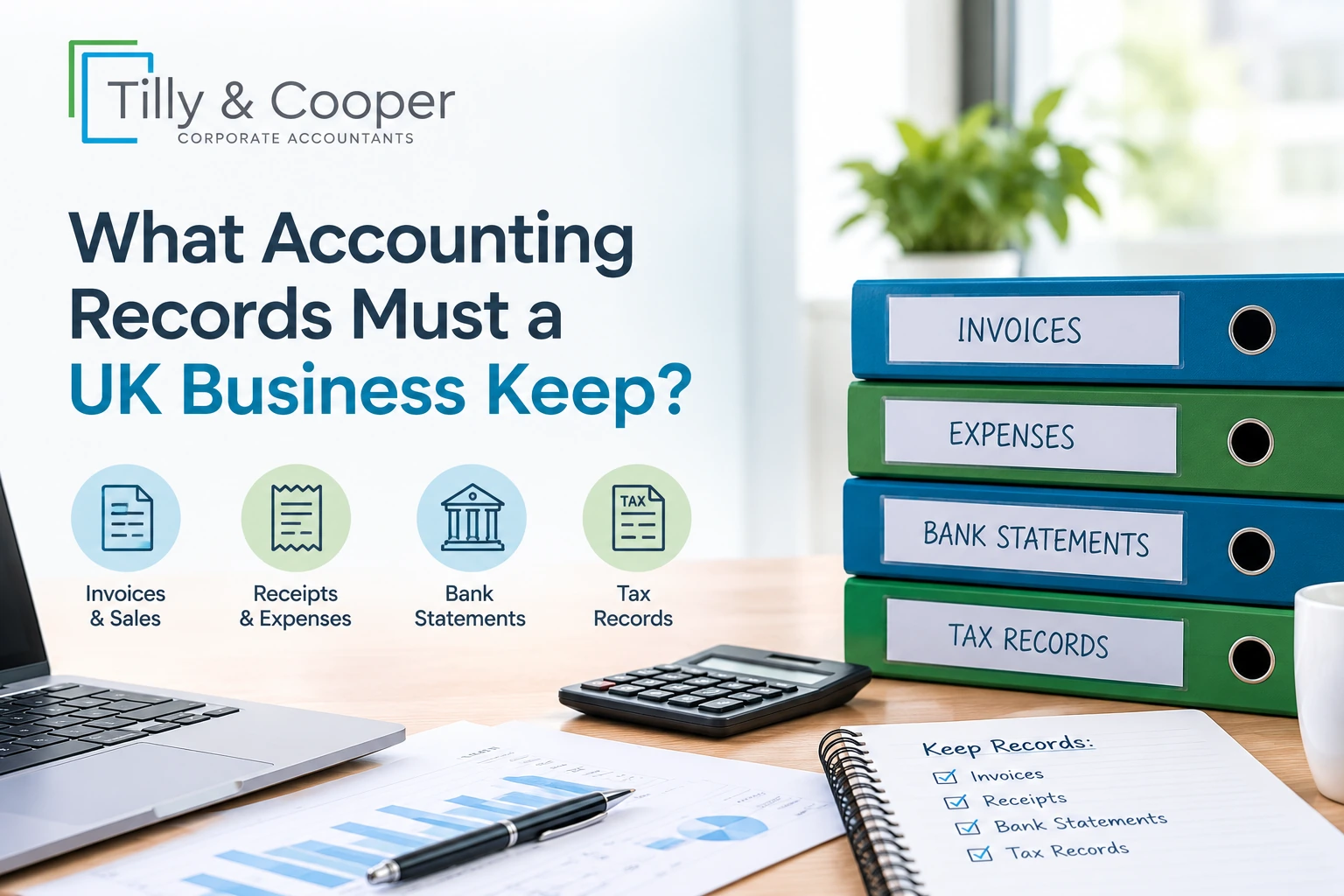
What Accounting Records Must a UK Business Keep?
A UK business must keep records that explain its income, spending, assets, liabilities, and financial transactions. Limited companies have additional duties under company and tax law. This guide focuses mainly on UK limited companies. Sole traders and partnerships follow different tax record-keeping rules in some areas. Accounting records create a clear financial trail for the
Read More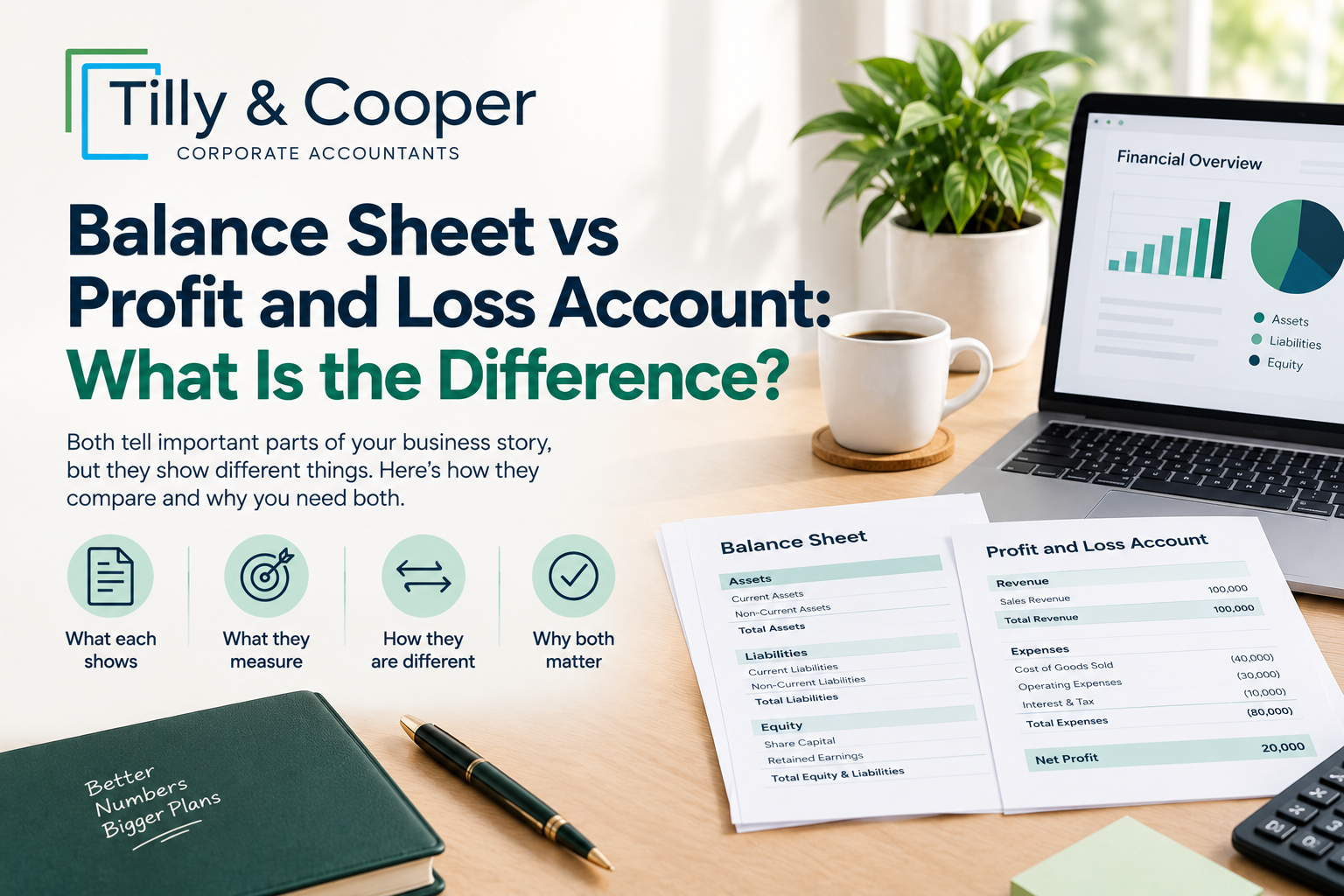
Balance Sheet vs Profit and Loss Account: What Is the Difference?
A balance sheet shows a business’s financial position at one date. A profit and loss account shows performance over a period. The balance sheet records assets, liabilities, and equity. The profit and loss account records revenue, expenses, and the resulting profit or loss.Understanding balance sheet vs profit and loss helps business owners read financial reports
Read More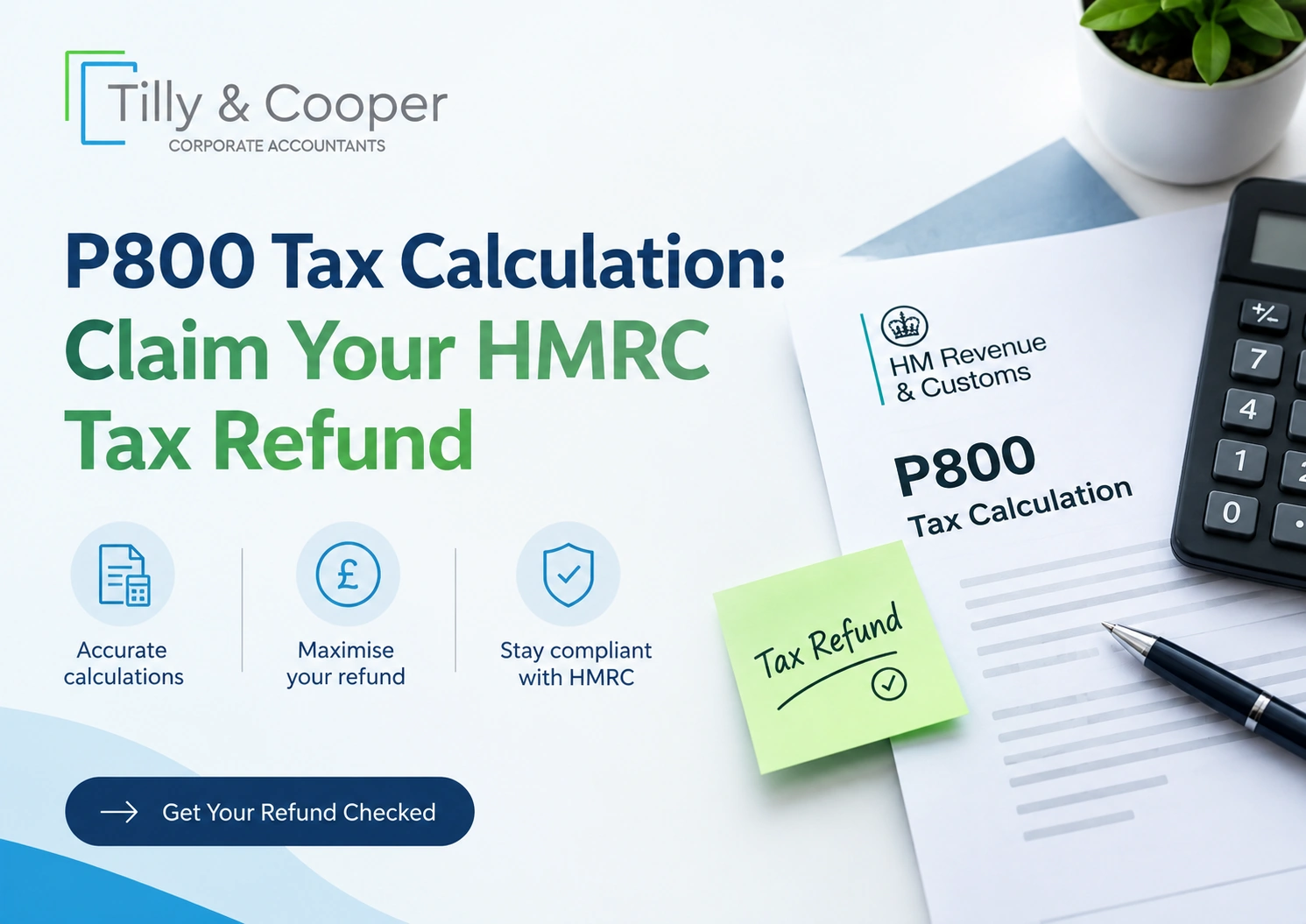
P800 Tax Calculation: Claim Your HMRC Tax Refund
A P800 tax calculation tells you whether you paid the correct amount of Income Tax through PAYE. HMRC may send one after reviewing your tax records. Many UK employees and pensioners pay Income Tax through Pay As You Earn, or PAYE. Employers and pension providers deduct tax before making payments. However, PAYE does not always
Read More
13 Best Accounting Software for Small Businesses in the UK (2026)
The best accounting software for UK small businesses in 2026 includes Xero, QuickBooks Online, FreeAgent, Sage Accounting, Zoho Books, Pandle, Clear Books, QuickFile, FreshBooks, KashFlow, Crunch, GnuCash and Adminsoft Accounts. The right platform depends on your business structure, VAT status, transaction volume, employees, industry, reporting needs, integrations and budget. Xero is one of the strongest
Read More
What Is Tax Accounting in the UK? Types & Examples
Tax accounting is the process of recording, calculating, and reporting taxes according to tax laws. It helps individuals, businesses, and organisations meet their tax obligations while keeping accurate financial records. In the UK, tax accounting follows HMRC regulations and covers taxes such as Income Tax, Corporation Tax, Capital Gains Tax, and VAT. Unlike financial accounting,
Read More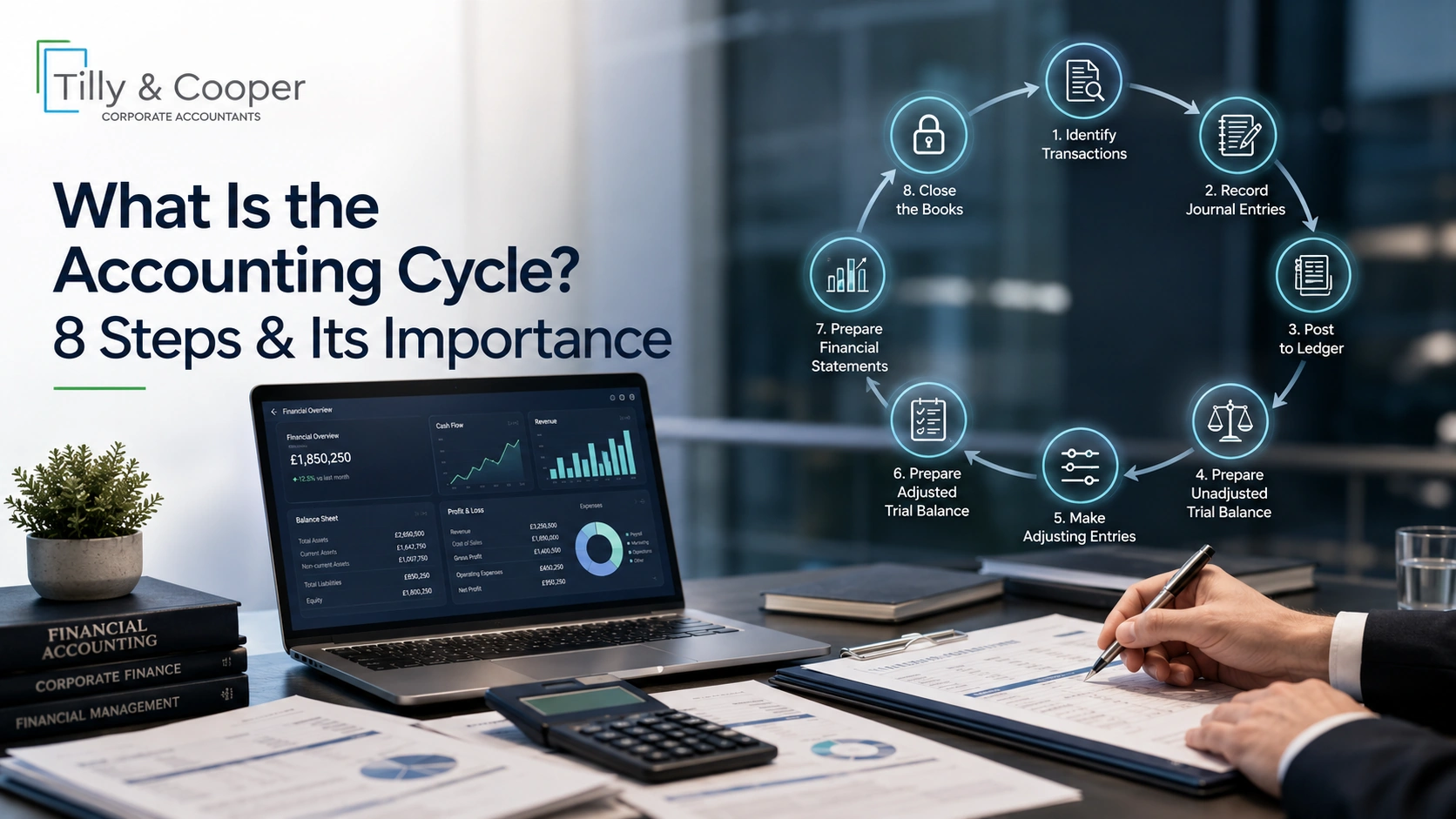
What Is the Accounting Cycle? 8 Steps & Its Importance
The accounting cycle is the process businesses use to record, organise, check, and report financial transactions during an accounting period. It takes everyday financial activity, such as sales, purchases, payments, and expenses, and turns it into useful accounting records and financial statements. The process usually moves through eight main stages. These include identifying transactions, recording
Read More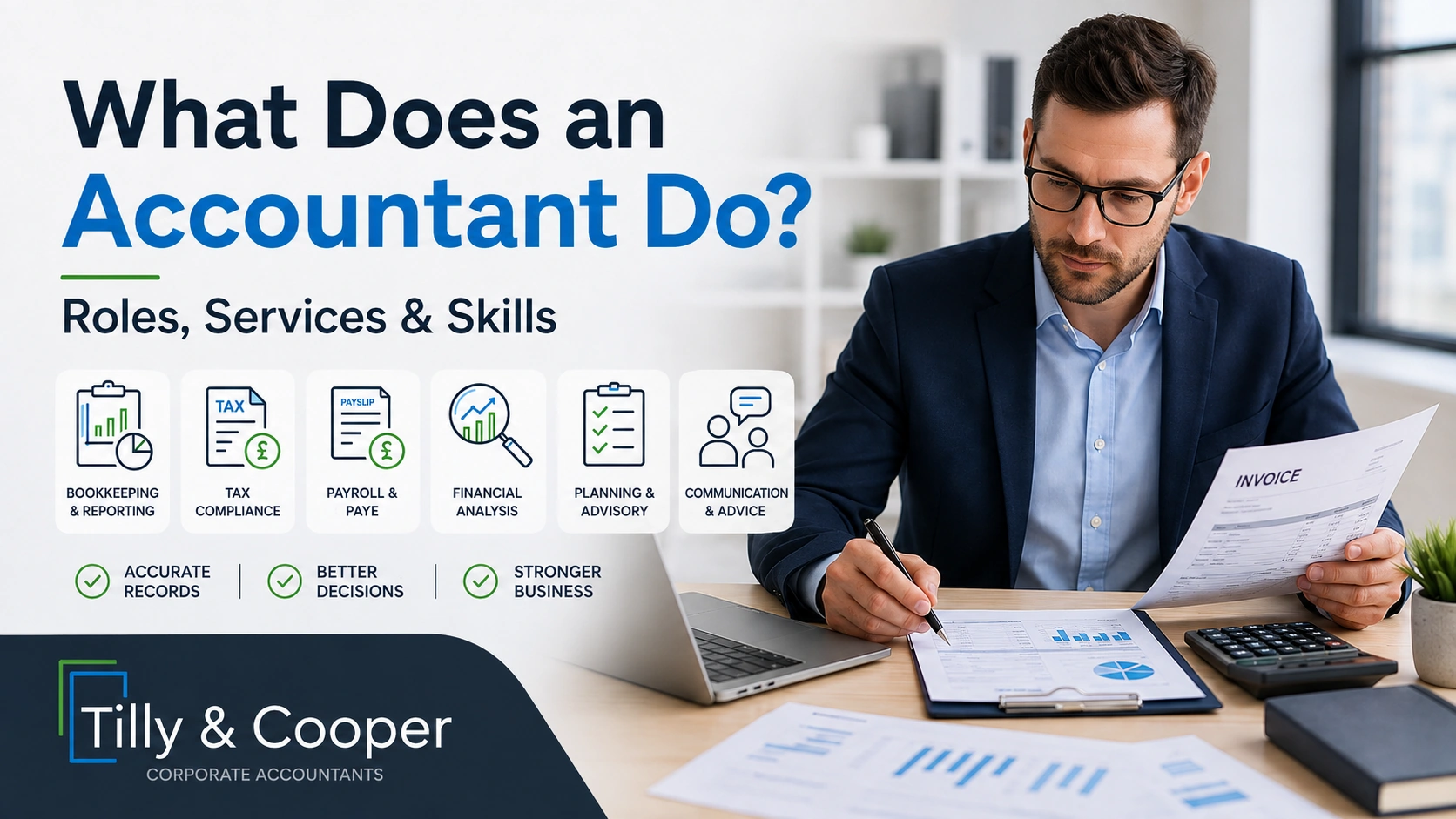
What Does an Accountant Do? Roles, Services & Skills
An accountant records, checks, analyses and reports financial information to help businesses and individuals understand their finances, meet their obligations and make better financial decisions. Accountants may prepare financial statements, calculate tax, review accounting records, manage cash flow and provide financial advice. Accounting is not only about recording numbers. Its turns financial transactions into useful
Read More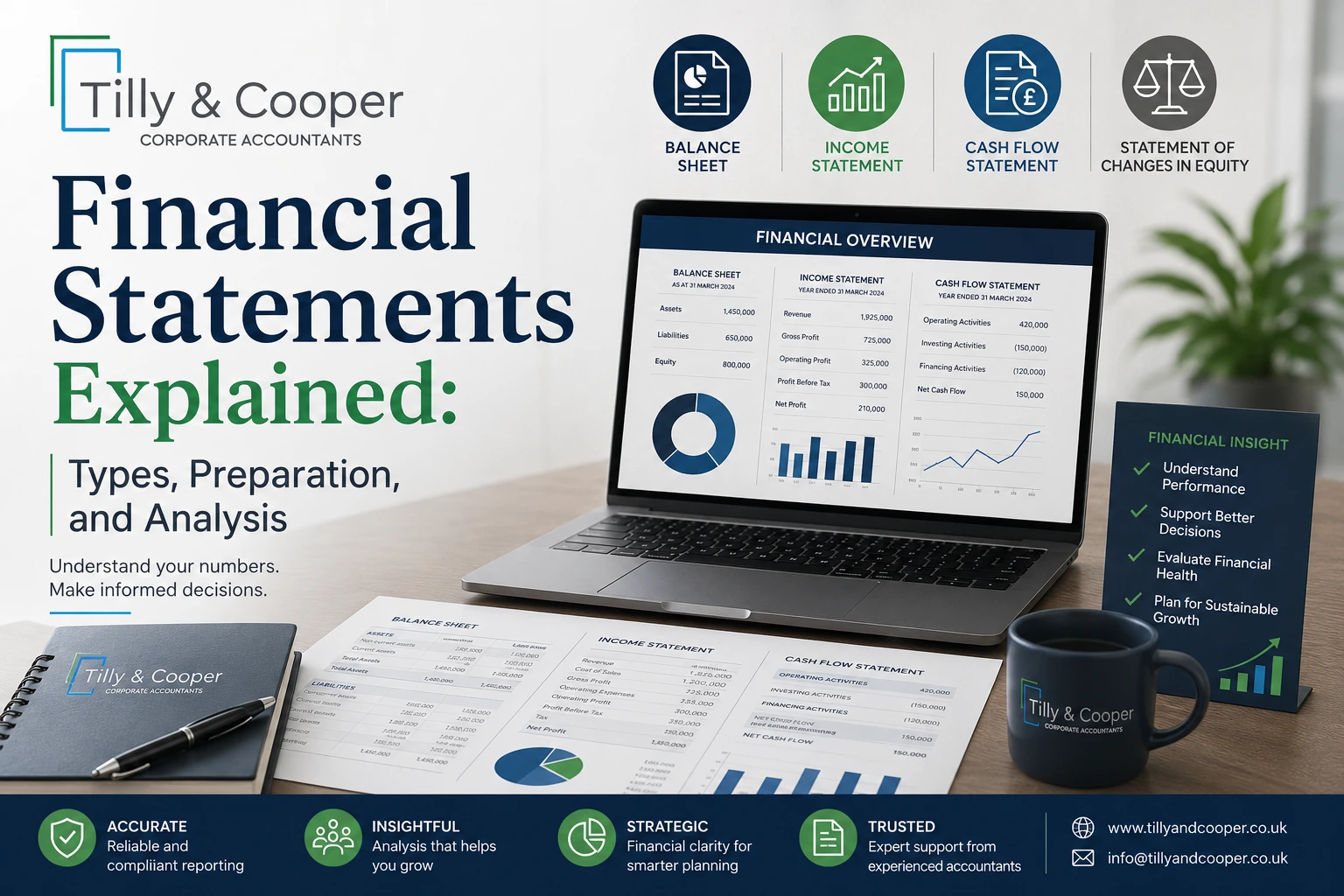
Financial Statements Explained: Types, Preparation, and Analysis
Financial statements help businesses understand where they stand financially. They show how much money a business earns, spends, owns, and owes during a specific accounting period. Whether you run a small business or a large company, accurate financial statements support better decisions, improve financial reporting, and help you meet legal obligations. Every business relies on
Read More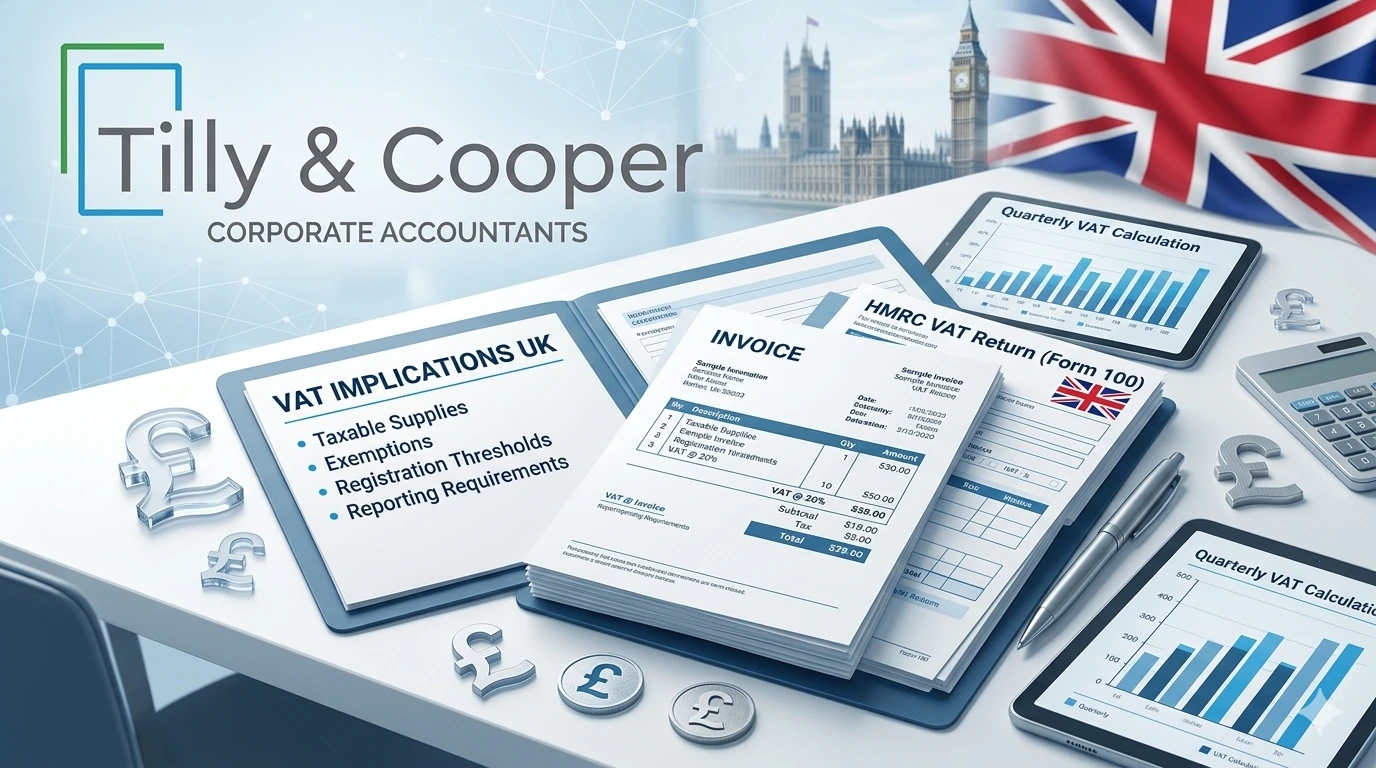
VAT Implications UK Explained: Rules, Threshold & Compliance
Understanding VAT implications is essential for any business operating in the United Kingdom. Businesses that sell goods or services must follow UK VAT rules for businesses set by HM Revenue & Customs (HMRC) under the UK Government tax system. Many business owners still ask common questions. They want to know how VAT works in the
Read MoreWhat Is a Confirmation Statement (CS01) and Why Is It Important?
A Confirmation Statement, also known as CS01, is a legal requirement for all UK limited companies. It confirms that the information held by Companies House about your company is accurate and up to date. The CS01 includes details such as registered office address, directors, shareholders, share capital, and people with significant control. It must be
Read More
