


Company Restoration Cost UK: Fees, Penalties and Other Costs
The cost of restoring a UK company depends on the restoration route, government fees, overdue filings, penalties, Crown costs, and professional work. Administrative restoration currently starts with a £341 Companies House fee. A court restoration application in England and Wales currently carries a £326 court fee. These figures are only the starting costs. A dissolved
Read More
RT01 Form: How to Apply for Administrative Restoration
The RT01 form is the Companies House application used to restore an eligible company through administrative restoration. A former director or former member can use RT01 where the company meets the statutory restoration conditions. The current form is RT01 version 9.0, dated February 2026. The Companies House application fee is £341. The application is normally
Read More
How Does Court Restoration Work? Process, N208 & Time Limits
Court restoration is the process of returning a dissolved company to the Companies House register through a court order. It is generally used where administrative restoration is unavailable or where another eligible person, such as a creditor or claimant, needs the company restored. The court restoration route is mainly governed by sections 1029 to 1034
Read More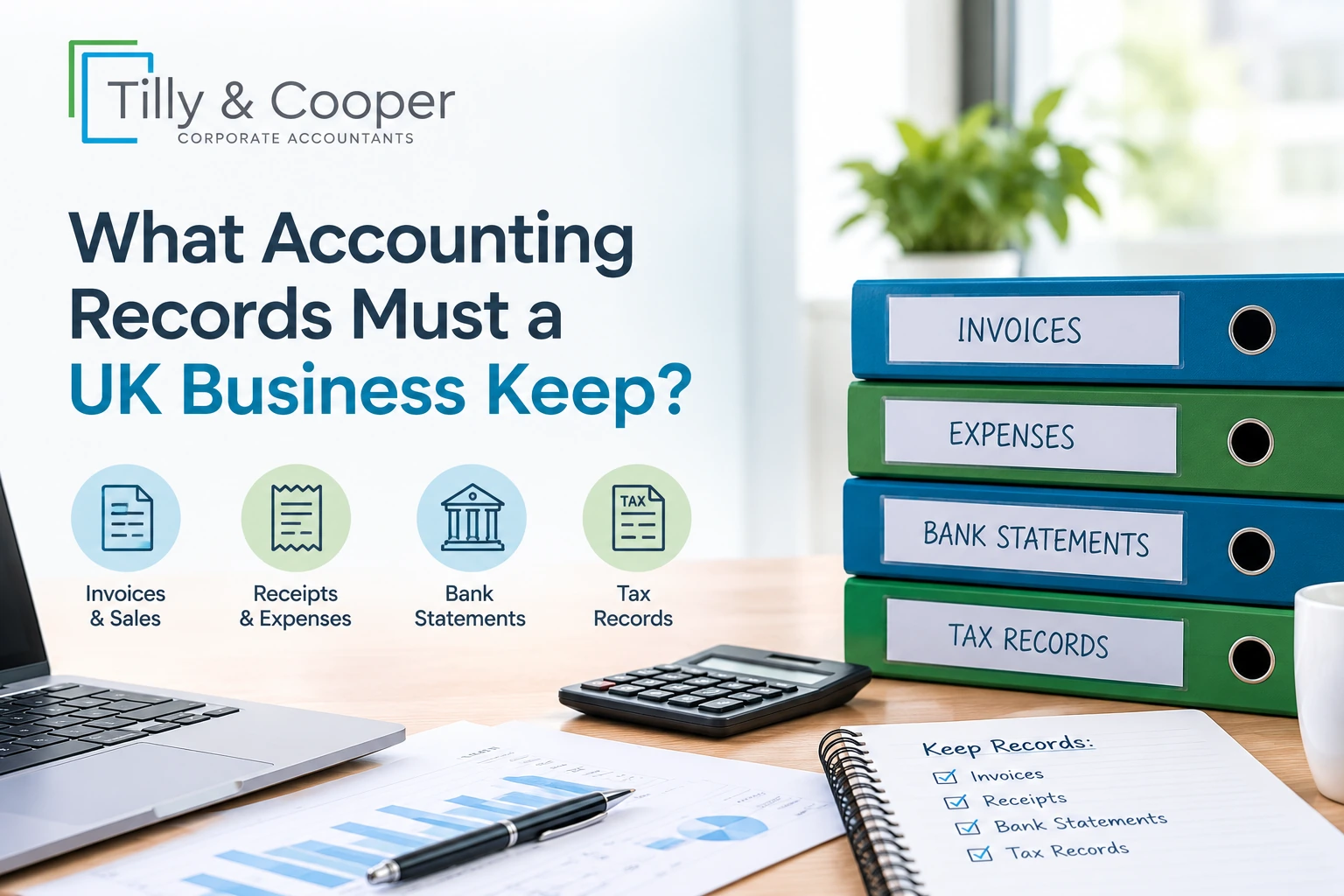
What Accounting Records Must a UK Business Keep?
A UK business must keep records that explain its income, spending, assets, liabilities, and financial transactions. Limited companies have additional duties under company and tax law. This guide focuses mainly on UK limited companies. Sole traders and partnerships follow different tax record-keeping rules in some areas. Accounting records create a clear financial trail for the
Read More
Cash Accounting vs Accrual Accounting: What Is the Difference?
Cash accounting records income and expenses when money changes hands. Accrual accounting records them when income is earned, or costs relate to the accounting period. This timing difference affects when a business records revenue, expenses, and taxable profit. In this guide, cash basis mainly refers to HMRC’s Income Tax cash basis for eligible sole traders
Read More
What Is Administrative Restoration UK? Eligibility & RT01
Administrative Restoration UK works for eligible dissolved companies. It covers who can apply, which Registrar strike-off cases qualify, the six-year deadline, Form RT01, outstanding Companies House filings, Bona Vacantia requirements, and refusal options. It also explains the key statutory tests under the Companies Act 2006. The article helps former directors, members and advisers understand the
Read More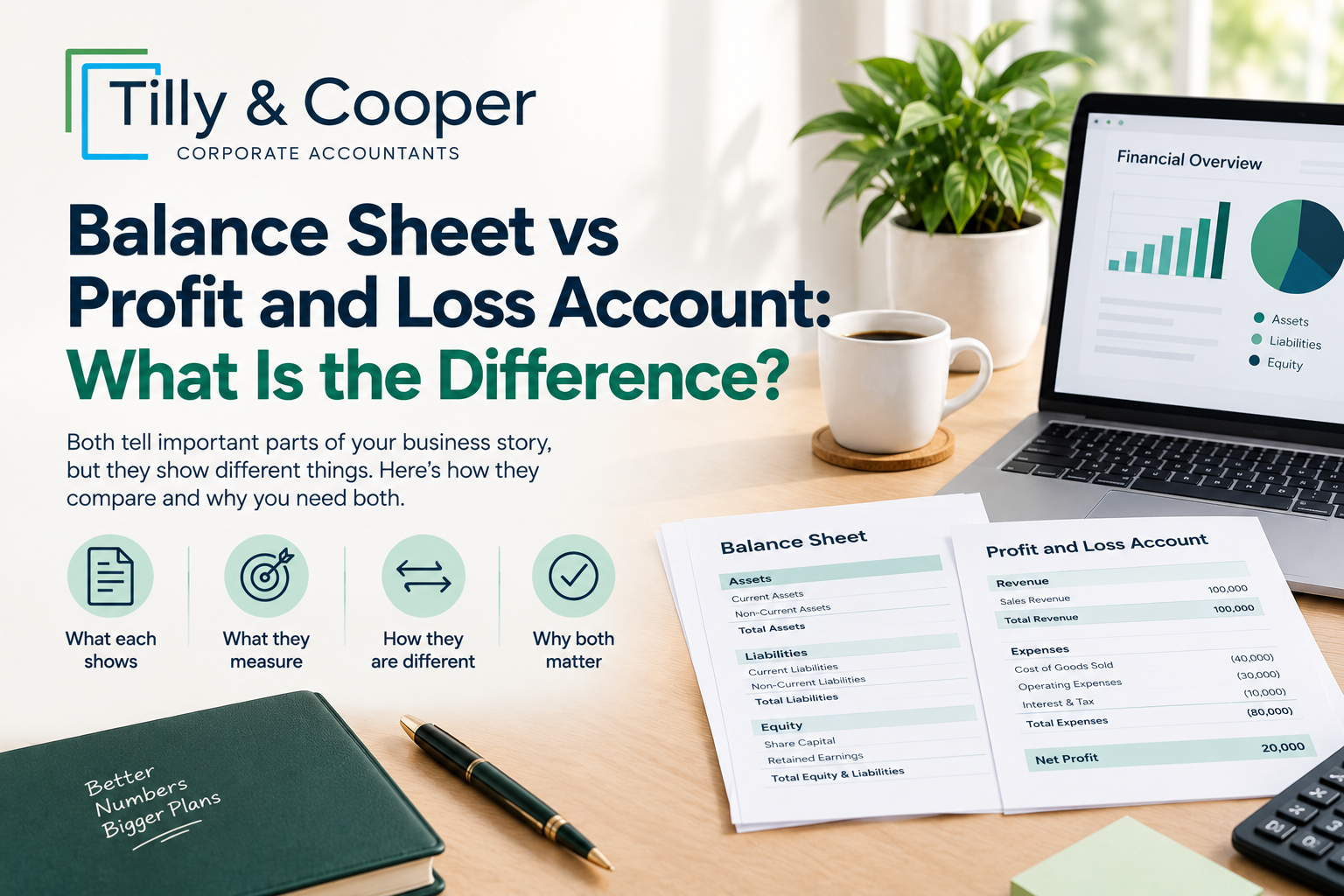
Balance Sheet vs Profit and Loss Account: What Is the Difference?
A balance sheet shows a business’s financial position at one date. A profit and loss account shows performance over a period. The balance sheet records assets, liabilities, and equity. The profit and loss account records revenue, expenses, and the resulting profit or loss.Understanding balance sheet vs profit and loss helps business owners read financial reports
Read More
When Can a Dissolved Company Be Restored? UK Guide
A dissolved company can be restored when it meets the legal conditions for administrative restoration or court restoration. The correct route depends on how the company was struck off, who applies, and when dissolution occurred. Most restoration applications must be made within 6 years from the date of dissolution. Administrative restoration has narrower eligibility rules.
Read More
Financial Accounting vs Management Accounting: What Is the Difference?
Financial accounting reports financial performance, while management accounting supports internal planning and business decisions. Both systems use financial data, but they serve different purposes. Financial accounting mainly records and reports completed business activity. It helps explain revenue, expenses, assets, liabilities, and profit during a reporting period. Management accounting uses financial and operational data to support
Read More
P800 Tax Calculation: Claim Your HMRC Tax Refund
A P800 tax calculation tells you whether you paid the correct amount of Income Tax through PAYE. HMRC may send one after reviewing your tax records. Many UK employees and pensioners pay Income Tax through Pay As You Earn, or PAYE. Employers and pension providers deduct tax before making payments. However, PAYE does not always
Read More
