
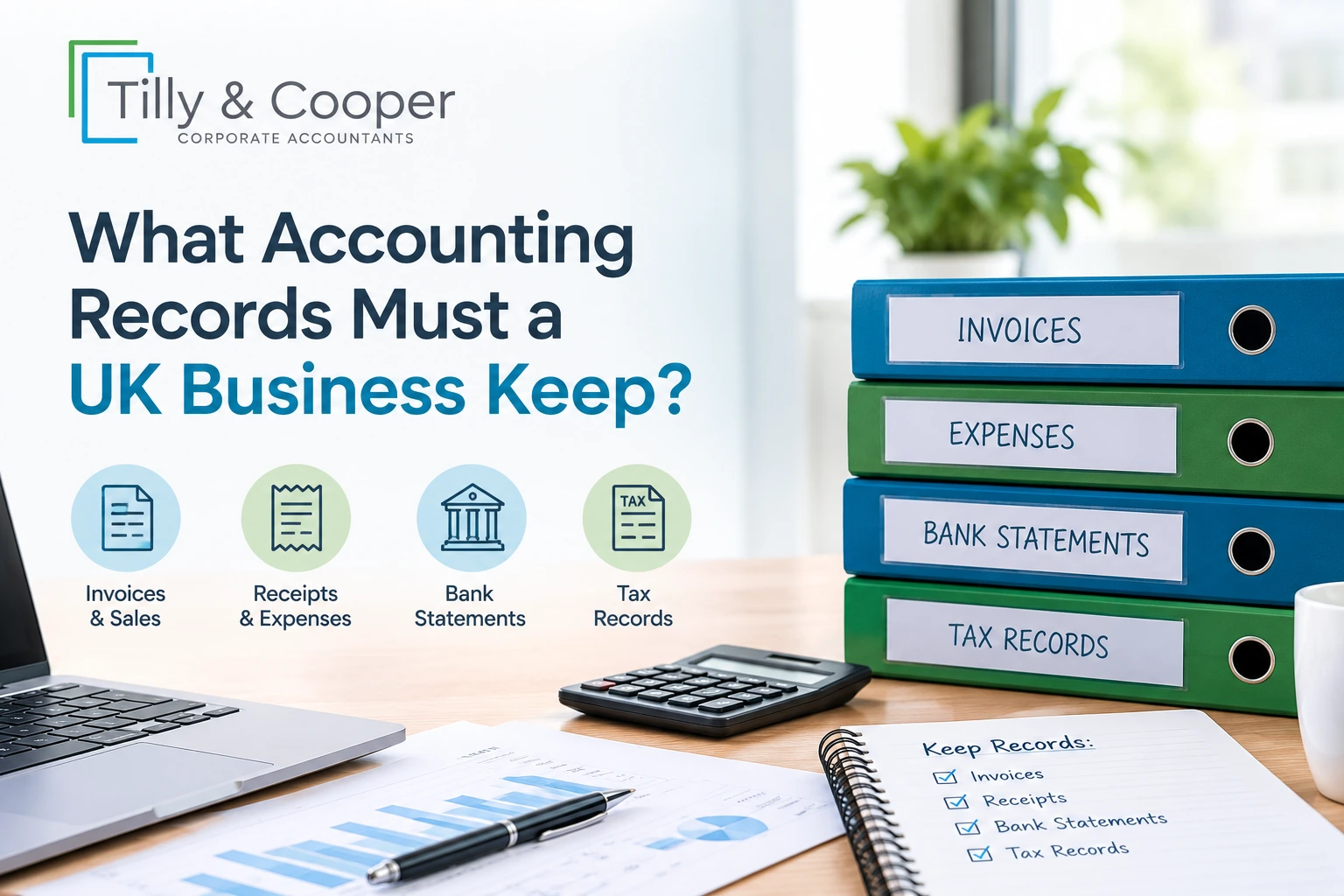
What Accounting Records Must a UK Business Keep?
A UK business must keep records that explain its income, spending, assets, liabilities, and financial transactions. Limited companies have additional duties under company and tax law. This guide focuses mainly on UK limited companies. Sole traders and partnerships follow different tax record-keeping rules in some areas. Accounting records create a clear financial trail for the
Read More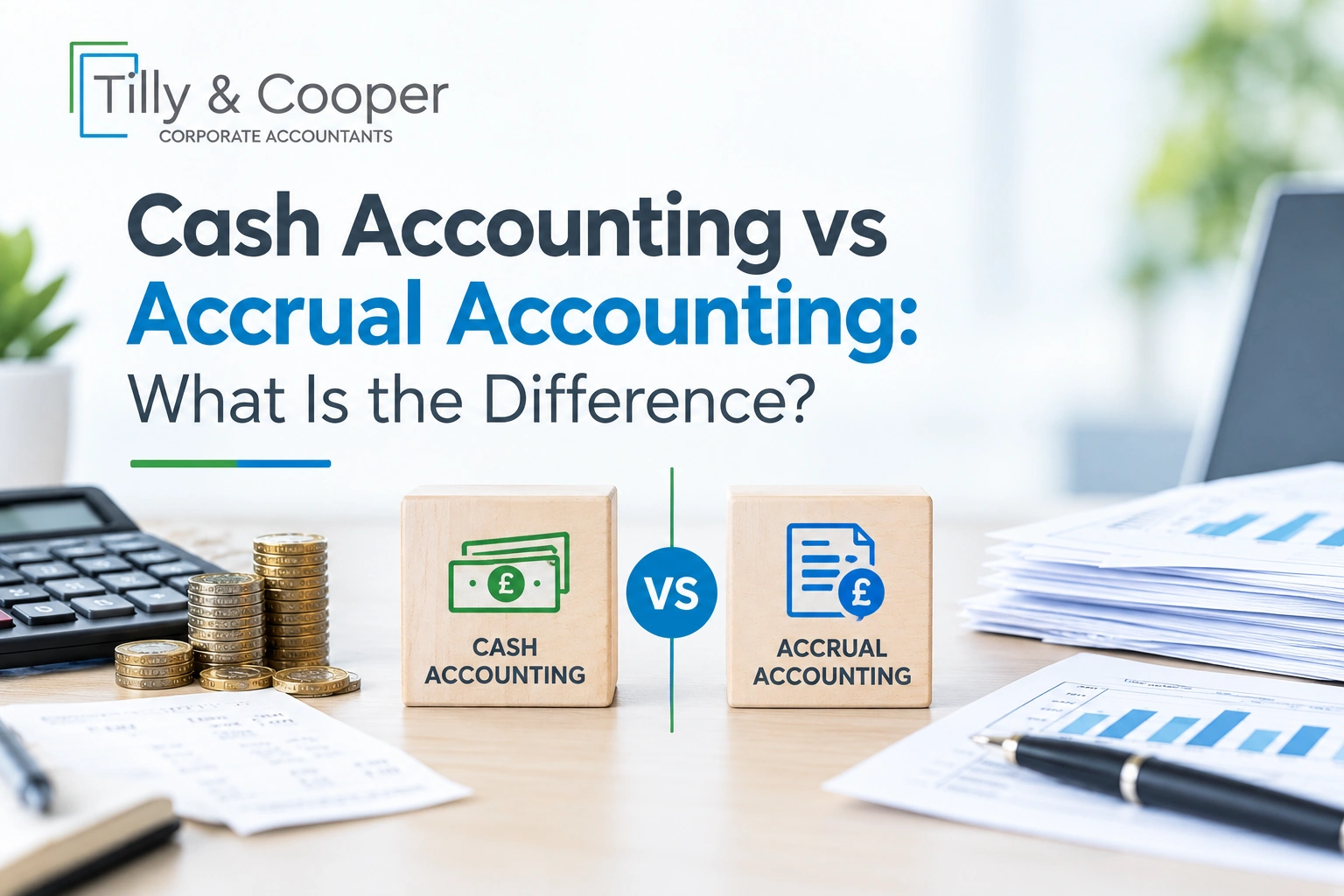
Cash Accounting vs Accrual Accounting: What Is the Difference?
Cash accounting records income and expenses when money changes hands. Accrual accounting records them when income is earned, or costs relate to the accounting period. This timing difference affects when a business records revenue, expenses, and taxable profit. In this guide, cash basis mainly refers to HMRC’s Income Tax cash basis for eligible sole traders
Read More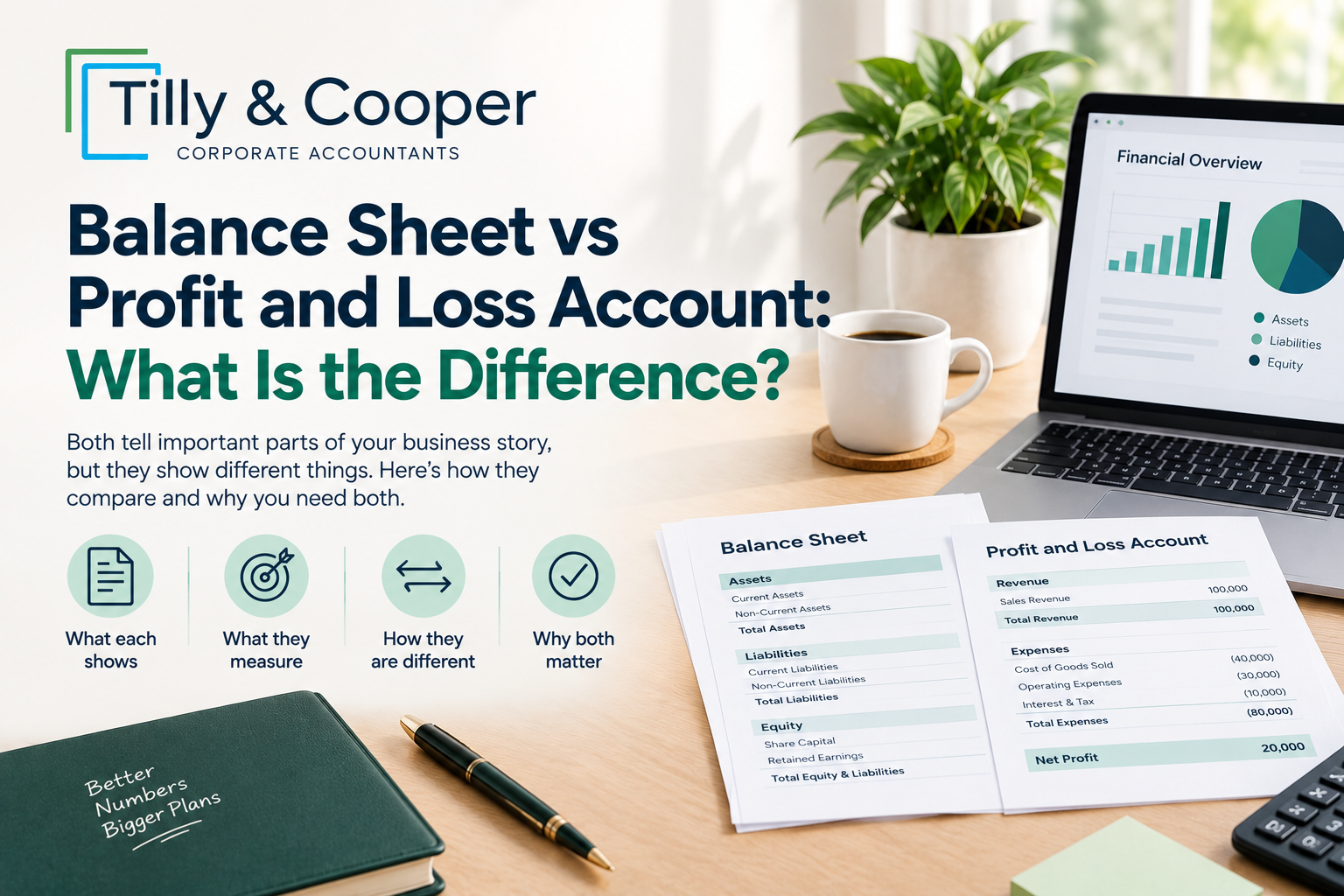
Balance Sheet vs Profit and Loss Account: What Is the Difference?
A balance sheet shows a business’s financial position at one date. A profit and loss account shows performance over a period. The balance sheet records assets, liabilities, and equity. The profit and loss account records revenue, expenses, and the resulting profit or loss.Understanding balance sheet vs profit and loss helps business owners read financial reports
Read More
Financial Accounting vs Management Accounting: What Is the Difference?
Financial accounting reports financial performance, while management accounting supports internal planning and business decisions. Both systems use financial data, but they serve different purposes. Financial accounting mainly records and reports completed business activity. It helps explain revenue, expenses, assets, liabilities, and profit during a reporting period. Management accounting uses financial and operational data to support
Read More
P800 Tax Calculation: Claim Your HMRC Tax Refund
A P800 tax calculation tells you whether you paid the correct amount of Income Tax through PAYE. HMRC may send one after reviewing your tax records. Many UK employees and pensioners pay Income Tax through Pay As You Earn, or PAYE. Employers and pension providers deduct tax before making payments. However, PAYE does not always
Read More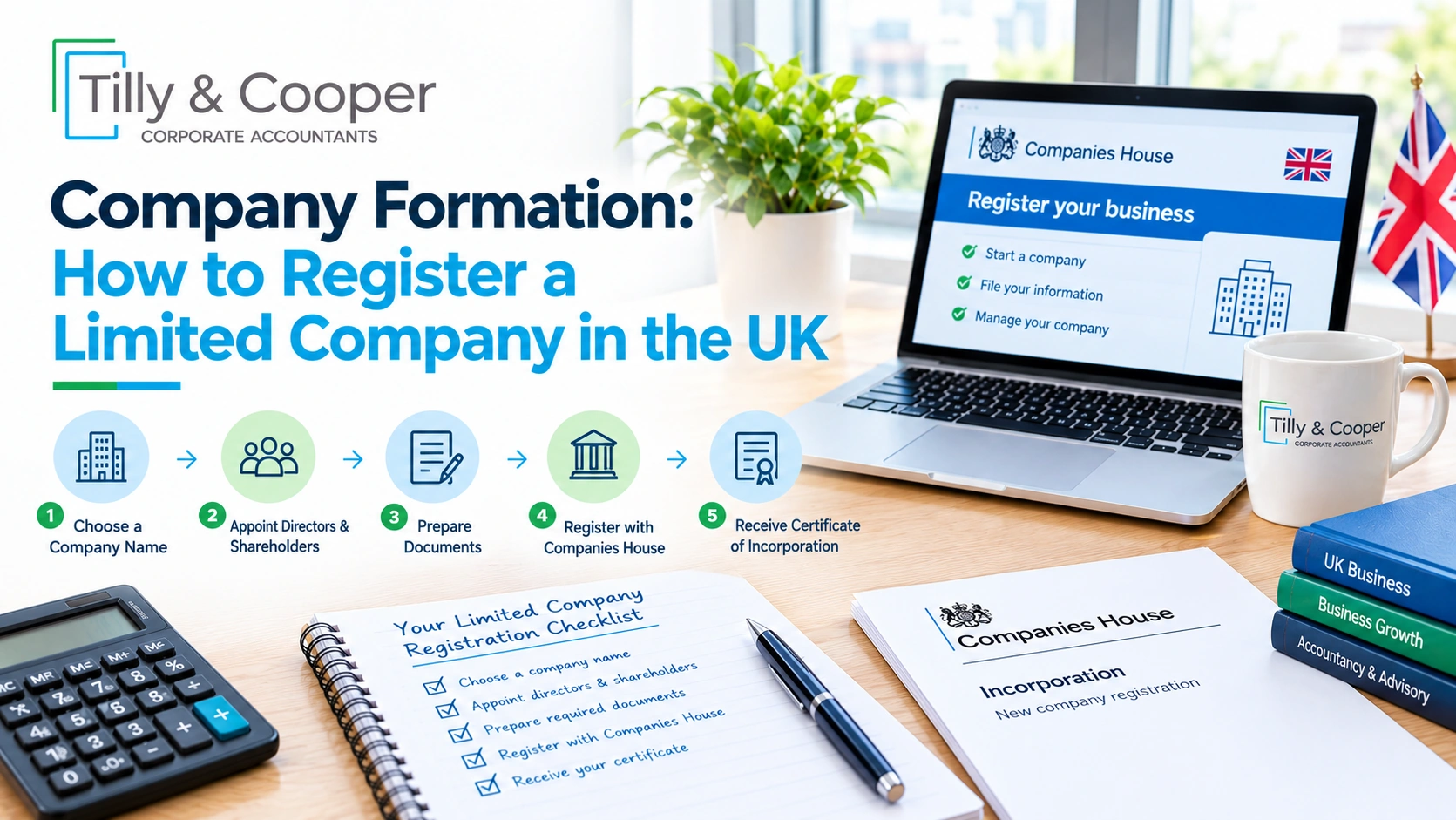
Company Formation: How to Register a Limited Company in the UK
Company formation is the legal process of creating and registering a company with Companies House. Once incorporated, a limited company becomes a separate legal entity from its owners. In the UK, forming a private limited company involves choosing an acceptable company name, appointing at least one director, deciding the ownership structure, identifying people with significant
Read More
Corporation Tax UK 2026/27: Rates, Deadlines, Calculations and Reliefs
Corporation Tax is a tax charged on the taxable profits of UK companies and certain organisations. HM Revenue & Customs, or HMRC, administers and collects the tax. For the financial year starting 1 April 2026, the main Corporation Tax rate is 25%. The small profits rate remains 19% for qualifying companies with lower profits. Marginal
Read More
UK Bank Holidays 2026–2027: Full List of Dates by Nation
The UK has different bank holiday calendars for England and Wales, Scotland, and Northern Ireland. England and Wales have 8 bank holidays in 2026, Scotland has 10 because of a one-off World Cup bank holiday, and Northern Ireland has 10. In 2027, the totals are 8, 9 and 10 respectively. UK bank holidays affect annual
Read More
£35K After Tax UK: Take-Home Pay for 2026/27
A £35,000 salary gives an estimated take-home pay of £28,719.60 during the 2026/27 UK tax year. This means £35K After Tax is around £2,393.30 per month or £552.30 per week. This calculation assumes a standard 1257L tax code. It also assumes one employment in England, Wales, or Northern Ireland. The estimate includes Income Tax and
Read More
What Are Taxes? UK Tax Types & How They Work
Taxes are compulsory payments made by individuals, businesses and certain organisations to fund government spending and public services. In the UK, taxes can apply to income, company profits, purchases, investments, property, capital gains and estates.HM Revenue & Customs (HMRC) administers most UK taxes. Local authorities and devolved tax authorities also collect certain taxes and charges.
Read More
