

Payroll UK: Meaning, Process & How to Pay Employees
Payroll is the process employers use to calculate employee pay, make deductions, report payroll information to HMRC, and pay employees. UK employers normally operate payroll through the Pay As You Earn (PAYE) system. Running payroll involves more than transferring salaries. Employers need to calculate gross pay, deduct Income Tax and National Insurance, account for pension
Read More
What Are Taxes? UK Tax Types & How They Work
Taxes are compulsory payments made by individuals, businesses and certain organisations to fund government spending and public services. In the UK, taxes can apply to income, company profits, purchases, investments, property, capital gains and estates.HM Revenue & Customs (HMRC) administers most UK taxes. Local authorities and devolved tax authorities also collect certain taxes and charges.
Read More
UK Income Tax: 2026/27 Rates, Bands and Allowances
UK Income Tax applies to taxable income received during each tax year. Your final tax bill depends on your income, allowances, tax rates, and income type. The current 2026/27 tax year runs from 6 April 2026 to 5 April 2027. Most employees pay Income Tax automatically through PAYE. Sole traders and people with untaxed income
Read More
What Is Companies House and How Do You Register a Company?
Companies House is the UK government agency responsible for incorporating companies, maintaining company records, and making registered company information available to the public. It plays an important role when a limited company is created and throughout the company’s life. Members of the public can also search Companies House information to check a company’s legal name,
Read More
HMRC Complaints: How to Make and Escalate a Complaint
You can make an HMRC complaint when you are unhappy with the service provided by HM Revenue and Customs, such as unreasonable delays, poor communication, administrative mistakes or inappropriate behaviour. An HMRC complaint deals with the quality of HMRC’s service. It is different from challenging a tax assessment, penalty or other formal tax decision.HMRC operates
Read More
13 Best Accounting Software for Small Businesses in the UK (2026)
The best accounting software for UK small businesses in 2026 includes Xero, QuickBooks Online, FreeAgent, Sage Accounting, Zoho Books, Pandle, Clear Books, QuickFile, FreshBooks, KashFlow, Crunch, GnuCash and Adminsoft Accounts. The right platform depends on your business structure, VAT status, transaction volume, employees, industry, reporting needs, integrations and budget. Xero is one of the strongest
Read More
What Is Tax Accounting in the UK? Types & Examples
Tax accounting is the process of recording, calculating, and reporting taxes according to tax laws. It helps individuals, businesses, and organisations meet their tax obligations while keeping accurate financial records. In the UK, tax accounting follows HMRC regulations and covers taxes such as Income Tax, Corporation Tax, Capital Gains Tax, and VAT. Unlike financial accounting,
Read More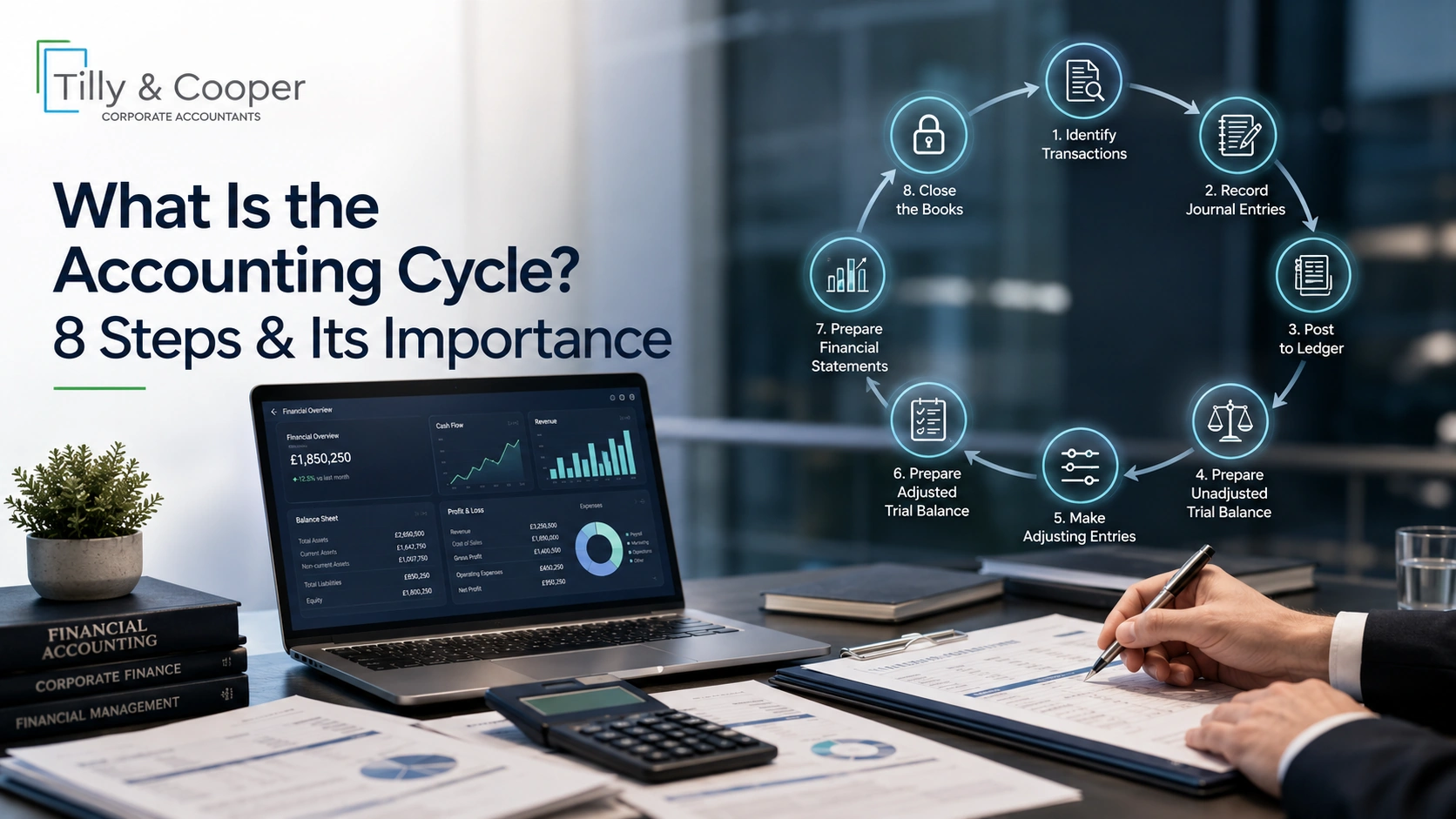
What Is the Accounting Cycle? 8 Steps & Its Importance
The accounting cycle is the process businesses use to record, organise, check, and report financial transactions during an accounting period. It takes everyday financial activity, such as sales, purchases, payments, and expenses, and turns it into useful accounting records and financial statements. The process usually moves through eight main stages. These include identifying transactions, recording
Read More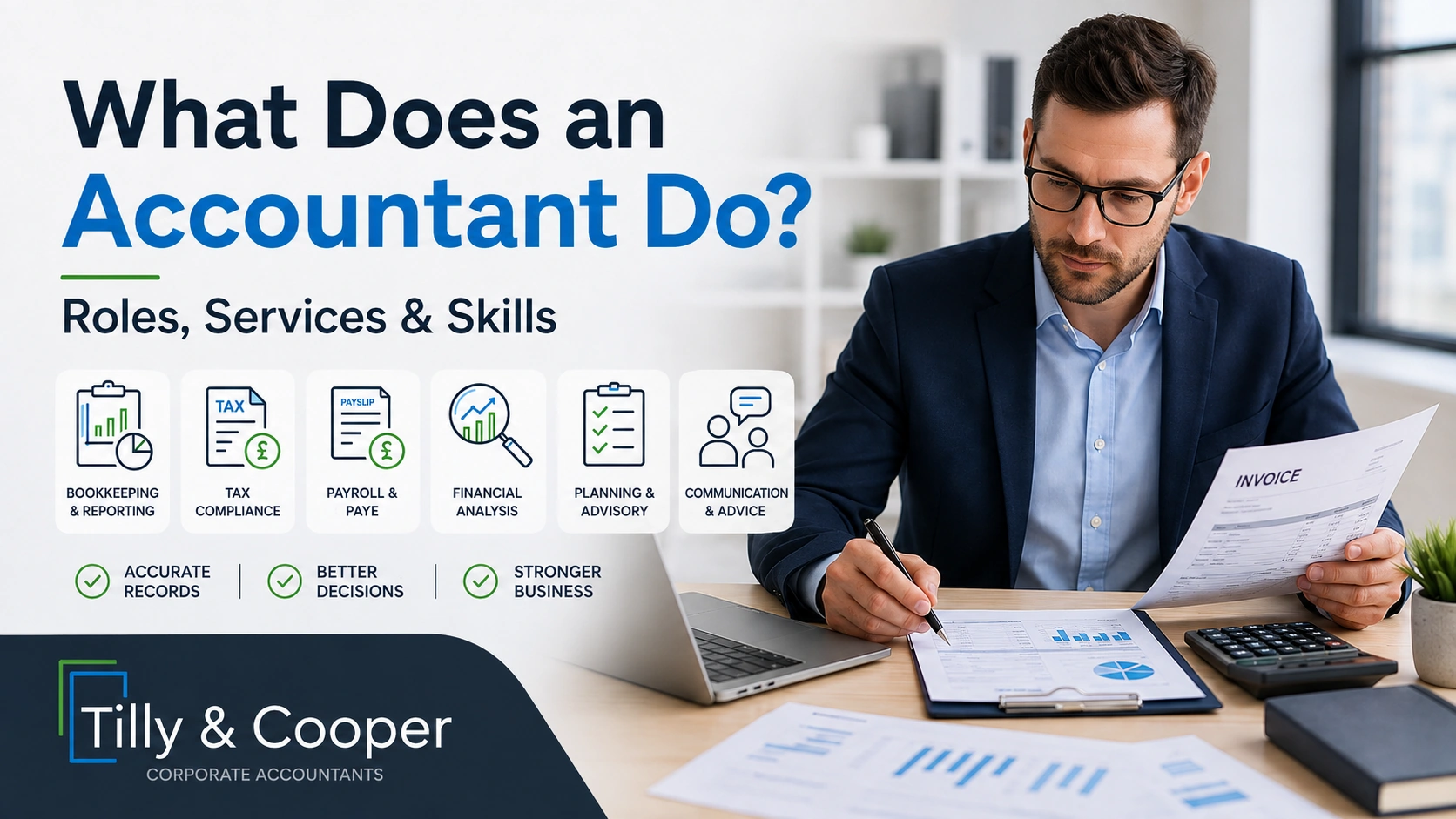
What Does an Accountant Do? Roles, Services & Skills
An accountant records, checks, analyses and reports financial information to help businesses and individuals understand their finances, meet their obligations and make better financial decisions. Accountants may prepare financial statements, calculate tax, review accounting records, manage cash flow and provide financial advice. Accounting is not only about recording numbers. Its turns financial transactions into useful
Read More
What Is Accounting? Basics, Types, Cycle & Standards
Accounting is the process of recording, organising, analysing, and reporting financial transactions. It helps a business understand how much money it earns, what it spends, what it owns, what it owes, and whether it is making a profit or loss. Businesses use accounting information to prepare financial statements, manage cash flow, calculate taxes, control costs,
Read More
