
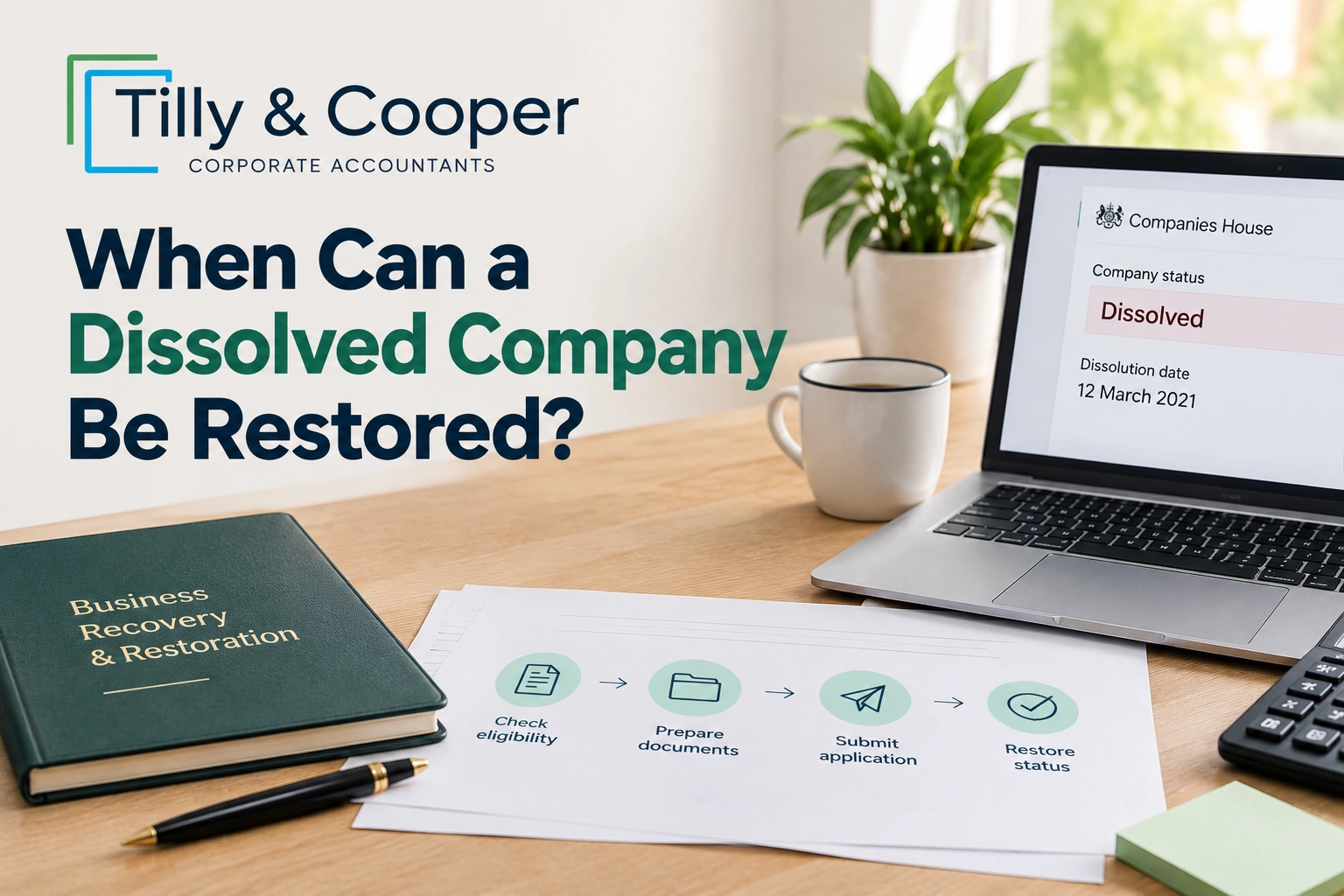
When Can a Dissolved Company Be Restored? UK Guide
A dissolved company can be restored when it meets the legal conditions for administrative restoration or court restoration. The correct route depends on how the company was struck off, who applies, and when dissolution occurred. Most restoration applications must be made within 6 years from the date of dissolution. Administrative restoration has narrower eligibility rules.
Read More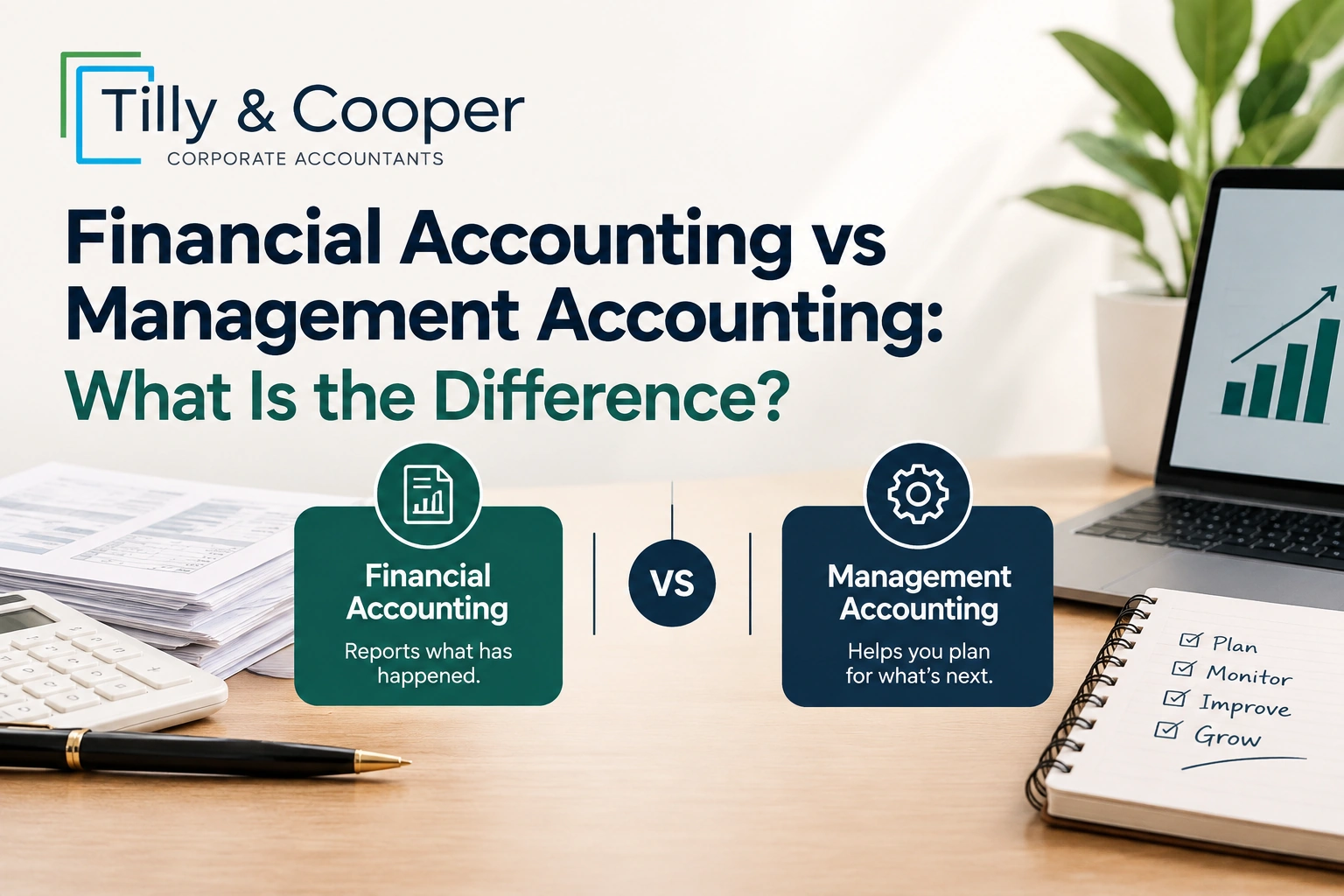
Financial Accounting vs Management Accounting: What Is the Difference?
Financial accounting reports financial performance, while management accounting supports internal planning and business decisions. Both systems use financial data, but they serve different purposes. Financial accounting mainly records and reports completed business activity. It helps explain revenue, expenses, assets, liabilities, and profit during a reporting period. Management accounting uses financial and operational data to support
Read More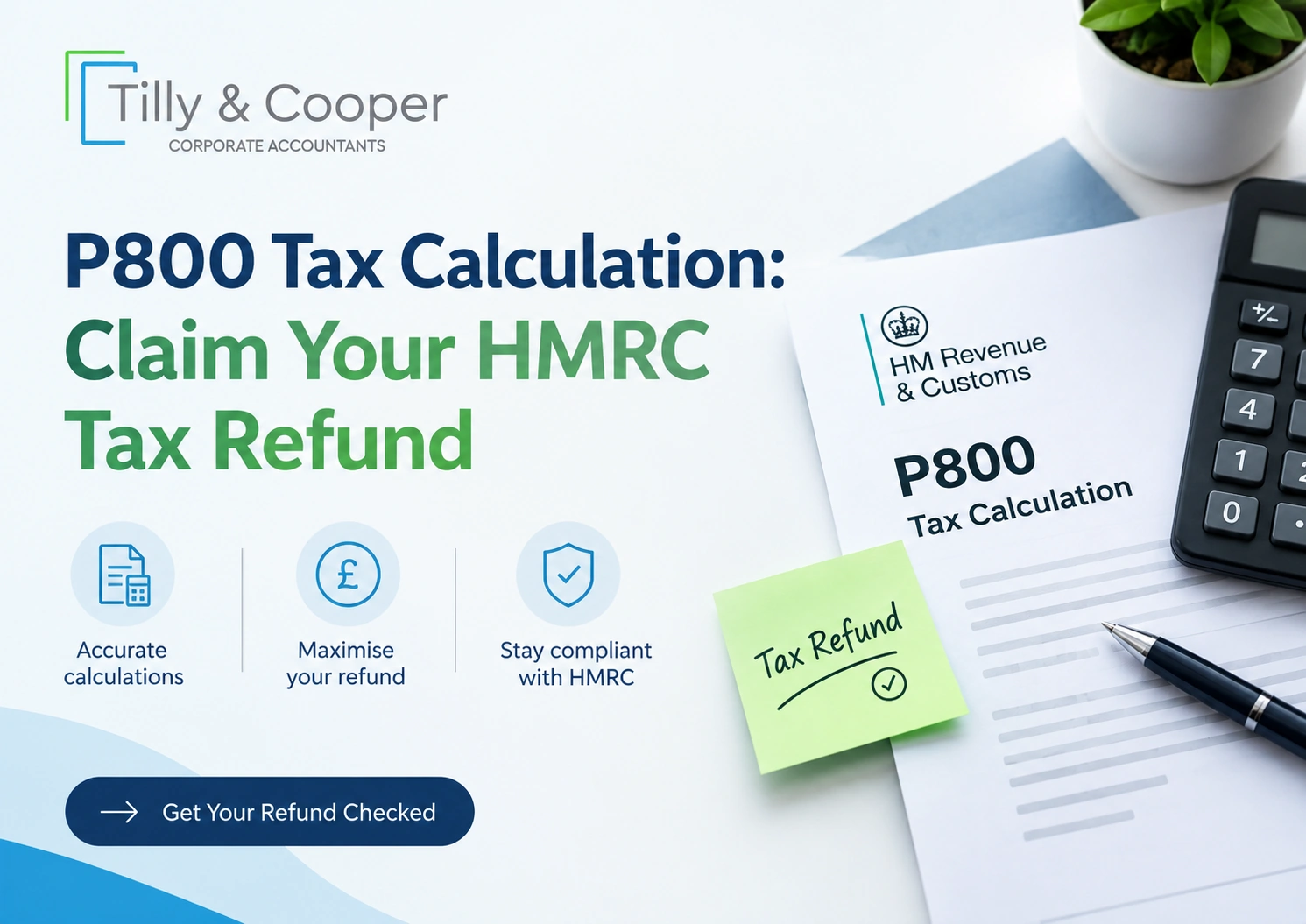
P800 Tax Calculation: Claim Your HMRC Tax Refund
A P800 tax calculation tells you whether you paid the correct amount of Income Tax through PAYE. HMRC may send one after reviewing your tax records. Many UK employees and pensioners pay Income Tax through Pay As You Earn, or PAYE. Employers and pension providers deduct tax before making payments. However, PAYE does not always
Read More
What Is a Company Tax Return? How to Prepare and File One
A Company Tax Return reports a company’s taxable profits, Corporation Tax calculation, and tax liability to HMRC. Most active UK limited companies receive a notice from HMRC requiring a Company Tax Return for each relevant Corporation Tax accounting period. A complete return usually contains Form CT600, company accounts, tax computations and any required supplementary pages.
Read More
CS01 Confirmation Statement: Filing, Fees & Deadline 2026
A CS01 is the confirmation statement UK companies use to confirm their Companies House information remains correct and up to date. Every company must normally file at least one confirmation statement every 12 months. This includes dormant and non-trading companies. The CS01 confirmation statement replaced the old annual return. It does not replace annual accounts
Read More
How to Change Your Company Name in the UK: Companies House, NM01 and Costs
To change your company name in the UK, choose an acceptable new name, obtain the required company approval, and register the change with Companies House. Form NM01 applies when a company changes its name by resolution. Changing the registered name does not create a new company. The company keeps the same registration number and remains
Read More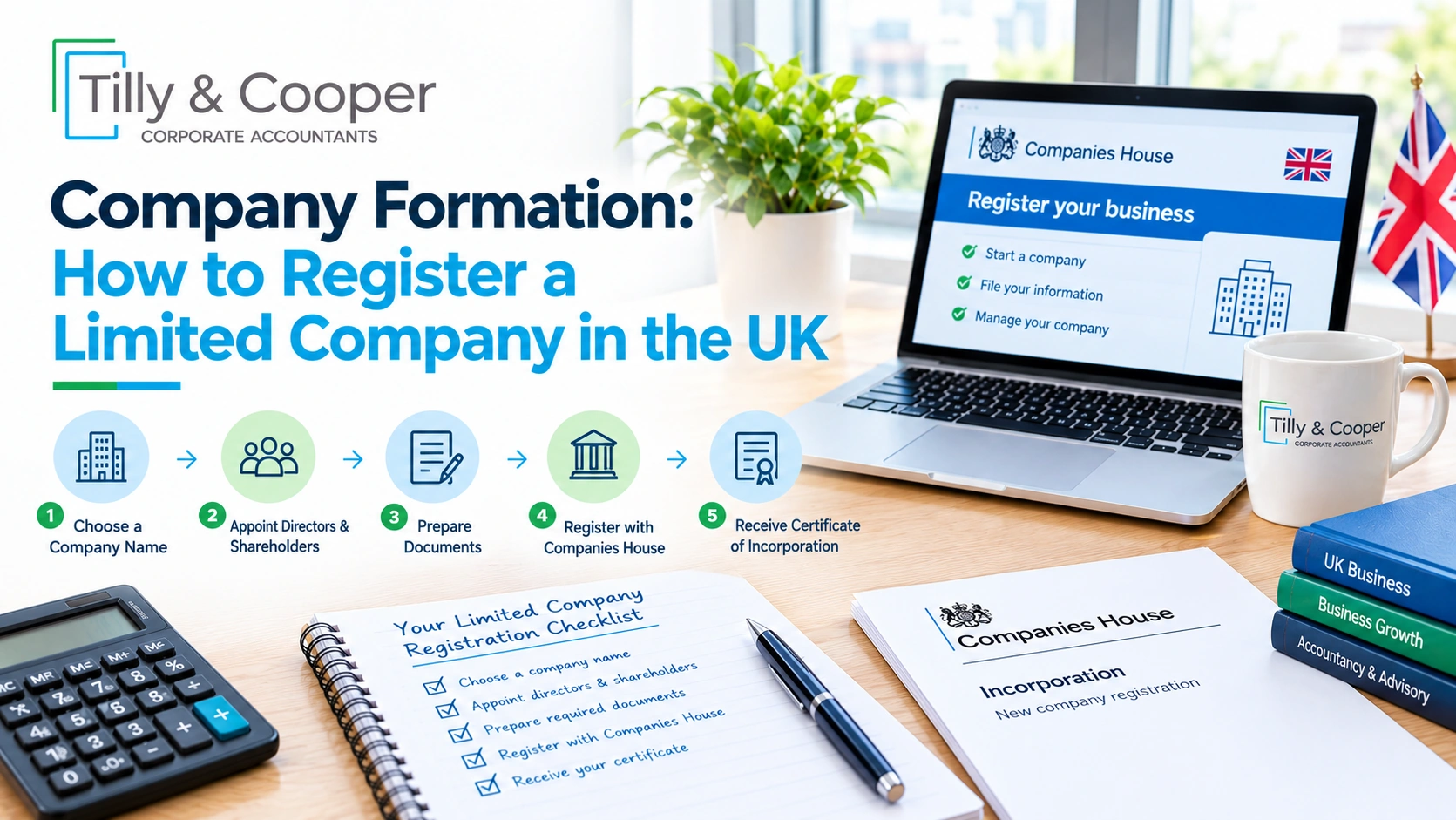
Company Formation: How to Register a Limited Company in the UK
Company formation is the legal process of creating and registering a company with Companies House. Once incorporated, a limited company becomes a separate legal entity from its owners. In the UK, forming a private limited company involves choosing an acceptable company name, appointing at least one director, deciding the ownership structure, identifying people with significant
Read More
Financial Planning: 7 Steps to Create a Financial Plan in the UK
Financial planning is the process of organising your income, spending, savings, debts, investments, pensions, taxes and financial protection around clear financial goals. A financial plan shows your current financial position and sets out the actions required to improve your financial security over time. In the UK, personal financial planning can also involve Individual Savings Accounts
Read More
Corporation Tax UK 2026/27: Rates, Deadlines, Calculations and Reliefs
Corporation Tax is a tax charged on the taxable profits of UK companies and certain organisations. HM Revenue & Customs, or HMRC, administers and collects the tax. For the financial year starting 1 April 2026, the main Corporation Tax rate is 25%. The small profits rate remains 19% for qualifying companies with lower profits. Marginal
Read More
UK Bank Holidays 2026–2027: Full List of Dates by Nation
The UK has different bank holiday calendars for England and Wales, Scotland, and Northern Ireland. England and Wales have 8 bank holidays in 2026, Scotland has 10 because of a one-off World Cup bank holiday, and Northern Ireland has 10. In 2027, the totals are 8, 9 and 10 respectively. UK bank holidays affect annual
Read More
