

UK Bank Holidays 2026–2027: Full List of Dates by Nation
The UK has different bank holiday calendars for England and Wales, Scotland, and Northern Ireland. England and Wales have 8 bank holidays in 2026, Scotland has 10 because of a one-off World Cup bank holiday, and Northern Ireland has 10. In 2027, the totals are 8, 9 and 10 respectively.
UK bank holidays affect annual leave, working arrangements, UK payroll, business opening times and public services. However, an official bank holiday does not automatically give every worker an additional paid day off. This guide lists the UK bank holidays for 2026 and 2027 by nation. It also explains substitute days, statutory annual leave, bank holiday pay, working on bank holidays and part-time worker entitlement.
What Is a Bank Holiday in the UK?
Bank holidays are official holidays created under the Banking and Financial Dealings Act 1971 or appointed by Royal Proclamation. There is a technical legal distinction between a bank holiday and a public holiday.
Bank holidays are created under the Banking and Financial Dealings Act 1971. In England, Wales and Northern Ireland, Christmas Day and Good Friday are common-law public holidays. In everyday use, however, people commonly refer to the full group as UK bank holidays. Scotland has different legal arrangements for the term public holiday.
The modern system replaced the earlier framework established by the Bank Holidays Act 1871. Banks, government offices, schools and many businesses may close or reduce their operating hours on these dates. However, businesses are not generally required to close.
Hospitals, restaurants, hotels, supermarkets, airports, transport operators, security services and emergency services often continue operating. A bank or public holiday also does not automatically create a separate legal entitlement to paid leave. Holiday rights depend on statutory annual leave rules and the worker’s employment arrangements.
What Are the UK Bank Holiday Dates for 2026?
England and Wales have 8 bank holidays in 2026, Scotland has 10, and Northern Ireland has 10. Scotland’s total is higher than usual because Monday, 15 June 2026, was designated as a one-off national bank holiday to mark Scotland’s participation in the men’s FIFA World Cup.
What Are the England and Wales Bank Holidays in 2026?
England and Wales have 8 bank holidays in 2026.
| Date | Day | Bank Holiday |
| 1 January 2026 | Thursday | New Year’s Day |
| 3 April 2026 | Friday | Good Friday |
| 6 April 2026 | Monday | Easter Monday |
| 4 May 2026 | Monday | Early May Bank Holiday |
| 25 May 2026 | Monday | Spring Bank Holiday |
| 31 August 2026 | Monday | Summer Bank Holiday |
| 25 December 2026 | Friday | Christmas Day |
| 28 December 2026 | Monday | Boxing Day (substitute day) |
Boxing Day falls on Saturday, 26 December 2026. The official holiday therefore moves to Monday, 28 December 2026 as a substitute day. England and Wales follow the same bank holiday calendar for these national dates.
What Are the Scotland Bank Holidays in 2026?
Scotland has 10 national bank holidays in 2026 because an additional World Cup bank holiday was created for 15 June.
| Date | Day | Bank Holiday |
| 1 January 2026 | Thursday | New Year’s Day |
| 2 January 2026 | Friday | 2nd January |
| 3 April 2026 | Friday | Good Friday |
| 4 May 2026 | Monday | Early May Bank Holiday |
| 25 May 2026 | Monday | Spring Bank Holiday |
| 15 June 2026 | Monday | World Cup Bank Holiday |
| 3 August 2026 | Monday | Summer Bank Holiday |
| 30 November 2026 | Monday | St Andrew’s Day |
| 25 December 2026 | Friday | Christmas Day |
| 28 December 2026 | Monday | Boxing Day (substitute day) |
Scotland normally has 9 national bank holidays. The 15 June 2026 World Cup Bank Holiday increased the total to 10 for 2026. The additional holiday was approved by Royal Proclamation after being proposed by Scotland’s First Minister. It marked Scotland’s men’s national football team’s first World Cup finals appearance since 1998.
Scotland also differs from England and Wales because it observes:
- 2 January
- St Andrew’s Day
- an earlier Summer Bank Holiday
Scotland’s national Summer Bank Holiday falls on the first Monday in August.
What Are the Northern Ireland Bank Holidays in 2026?
Northern Ireland has 10 bank holidays in 2026, including St Patrick’s Day and the Battle of the Boyne(Orangemen’s Day) holiday.
| Date | Day | Bank Holiday |
| 1 January 2026 | Thursday | New Year’s Day |
| 17 March 2026 | Tuesday | St Patrick’s Day |
| 3 April 2026 | Friday | Good Friday |
| 6 April 2026 | Monday | Easter Monday |
| 4 May 2026 | Monday | Early May Bank Holiday |
| 25 May 2026 | Monday | Spring Bank Holiday |
| 13 July 2026 | Monday | Battle of the Boyne (substitute day) |
| 31 August 2026 | Monday | Summer Bank Holiday |
| 25 December 2026 | Friday | Christmas Day |
| 28 December 2026 | Monday | Boxing Day (substitute day) |
The Battle of the Boyne holiday normally falls on 12 July. In 2026, 12 July falls on a Sunday, so Monday, 13 July becomes the substitute holiday. St Patrick’s Day and the Battle of the Boyne holiday are distinctive parts of Northern Ireland’s national holiday calendar.
What Are the UK Bank Holiday Dates for 2027?
England and Wales have 8 bank holidays in 2027, Scotland has 9, and Northern Ireland has 10. The first holiday across all three calendars is New Year’s Day on Friday, 1 January 2027. Christmas creates two substitute holidays in 2027 because Christmas Day falls on Saturday and Boxing Day falls on Sunday.
What Are the England and Wales Bank Holidays in 2027?
England and Wales have 8 bank holidays in 2027.
| Date | Day | Bank Holiday |
| 1 January 2027 | Friday | New Year’s Day |
| 26 March 2027 | Friday | Good Friday |
| 29 March 2027 | Monday | Easter Monday |
| 3 May 2027 | Monday | Early May Bank Holiday |
| 31 May 2027 | Monday | Spring Bank Holiday |
| 30 August 2027 | Monday | Summer Bank Holiday |
| 27 December 2027 | Monday | Christmas Day (substitute day) |
| 28 December 2027 | Tuesday | Boxing Day (substitute day) |
Because Christmas Day falls on Saturday, 25 December 2027, its substitute holiday is Monday, 27 December. Boxing Day falls on Sunday, 26 December, so its substitute holiday is Tuesday, 28 December.
What Are the Scotland Bank Holidays in 2027?
Scotland has 9 national bank holidays in 2027.
| Date | Day | Bank Holiday |
| 1 January 2027 | Friday | New Year’s Day |
| 4 January 2027 | Monday | 2nd January (substitute day) |
| 26 March 2027 | Friday | Good Friday |
| 3 May 2027 | Monday | Early May Bank Holiday |
| 31 May 2027 | Monday | Spring Bank Holiday |
| 2 August 2027 | Monday | Summer Bank Holiday |
| 30 November 2027 | Tuesday | St Andrew’s Day |
| 27 December 2027 | Monday | Christmas Day (substitute day) |
| 28 December 2027 | Tuesday | Boxing Day (substitute day) |
The 2 January holiday moves to Monday, 4 January 2027 because 2 January falls on a Saturday. Scotland does not include Easter Monday in its national bank holiday list. Its Summer Bank Holiday also falls earlier than the equivalent holiday in England, Wales and Northern Ireland.
What Are the Northern Ireland Bank Holidays in 2027?
Northern Ireland has 10 bank holidays in 2027.
| Date | Day | Bank Holiday |
| 1 January 2027 | Friday | New Year’s Day |
| 17 March 2027 | Wednesday | St Patrick’s Day |
| 26 March 2027 | Friday | Good Friday |
| 29 March 2027 | Monday | Easter Monday |
| 3 May 2027 | Monday | Early May Bank Holiday |
| 31 May 2027 | Monday | Spring Bank Holiday |
| 12 July 2027 | Monday | Battle of the Boyne (Orangemen’s Day) |
| 30 August 2027 | Monday | Summer Bank Holiday |
| 27 December 2027 | Monday | Christmas Day (substitute day) |
| 28 December 2027 | Tuesday | Boxing Day (substitute day) |
Northern Ireland continues to observe both St Patrick’s Day on 17 March and the Battle of the Boyne holiday on 12 July.
How Many Bank Holidays Are There in the UK?
England and Wales normally have 8 bank holidays each year, Scotland normally has 9, and Northern Ireland normally has 10.
| Nation | Usual Number | Main Regional Differences |
| England and Wales | 8 | Standard England and Wales calendar |
| Scotland | 9 | 2 January, St Andrew’s Day and earlier Summer Bank Holiday |
| Northern Ireland | 10 | St Patrick’s Day and Battle of the Boyne |
Scotland is an exception in 2026 because its one-off World Cup Bank Holiday increases the total from 9 to 10. The annual number can also change if an additional bank holiday is announced for a special national or regional event.
How Can UK Bank Holiday Dates Change?
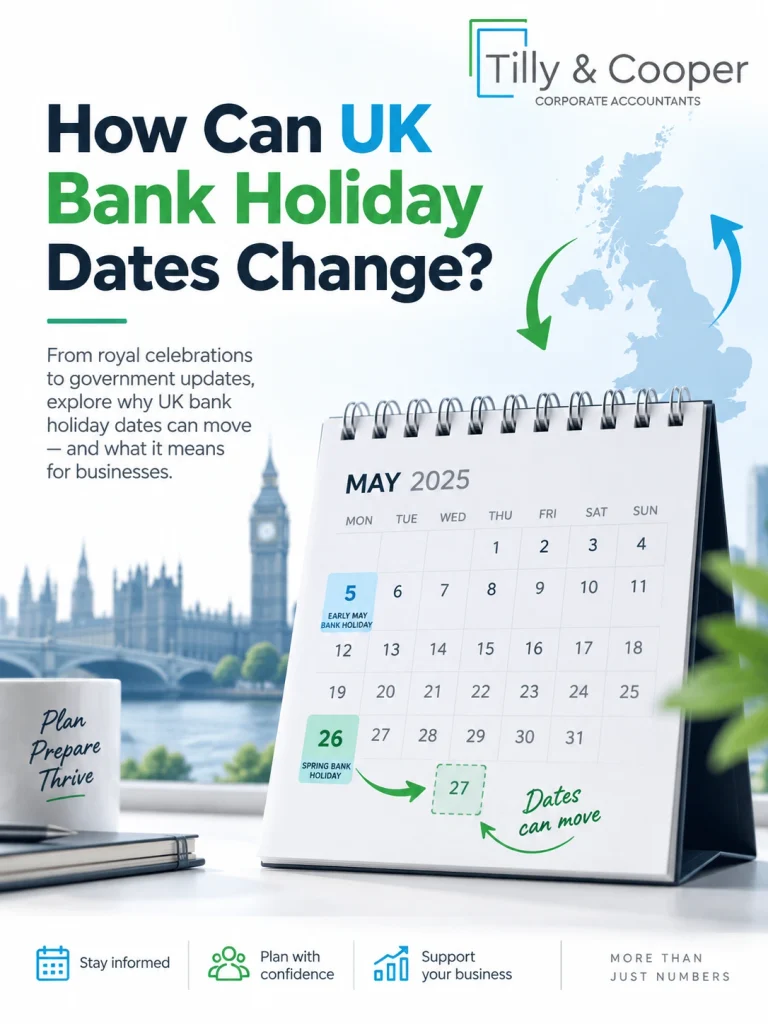
UK bank holiday dates can change when a holiday falls on a weekend or when an additional bank holiday is officially appointed. These rules explain why some holidays appear on different calendar dates from one year to another.
What Happens When a Bank Holiday Falls on a Weekend?
A substitute weekday normally becomes the bank holiday when the usual holiday date falls on a Saturday or Sunday. For example, Boxing Day falls on Saturday, 26 December 2026. The substitute bank holiday is therefore Monday, 28 December.
The effect is particularly clear at Christmas 2027:
- Christmas Day falls on Saturday, 25 December.
- Boxing Day falls on Sunday, 26 December.
- Monday, 27 December becomes the Christmas substitute day.
- Tuesday, 28 December becomes the Boxing Day substitute day.
A substitute day normally replaces the weekend holiday for official calendar purposes. It does not automatically create an additional holiday.
Can the Government Announce an Extra Bank Holiday?
Yes. The Government can appoint additional bank holidays for special national or regional events. Section 1(3) of the Banking and Financial Dealings Act 1971 provides for additional days to be appointed as bank holidays by Royal Proclamation. Scotland’s World Cup Bank Holiday on 15 June 2026 is a recent example. The holiday was officially confirmed following Royal Proclamation.
Previous one-off holidays have also been associated with major royal and state occasions. An additional bank holiday does not necessarily give every worker an extra contractual day of paid leave. The worker’s contract and holiday arrangements determine whether the additional day is included.
How Do Bank Holidays Affect Employee Holiday Entitlement?
Bank holidays can form part of statutory annual leave, but workers do not automatically have a separate legal right to every bank holiday off. An employer can include bank holidays within the statutory minimum holiday entitlement. Other employers provide bank holidays in addition to the statutory minimum. Workers should therefore check their employment contract or workplace holiday policy.
Do Workers Have a Legal Right to Bank Holidays Off?
Workers do not have an automatic statutory right to take every bank holiday off work. Whether a worker must attend work on a bank holiday usually depends on their employment contract, workplace policy and the type of business they work for.
Many organisations continue operating during bank holidays because their services are needed throughout the year. This is common in hospitals, healthcare services, hotels, restaurants, retail businesses, transport companies, security services, tourism businesses and emergency services.
Employees in these sectors may therefore be scheduled to work on Christmas, Easter, New Year’s Day or other public holidays. Employers should make bank holiday working requirements clear in employment contracts or staff policies. Workers should also check whether bank holidays are included within their annual leave entitlement or provided as additional days off. Even when a worker is required to work on a bank holiday, they remain entitled to the statutory paid annual leave that applies to their employment.
Are Bank Holidays Paid in the UK?
Bank holidays are paid when they form part of a worker’s paid holiday entitlement or their employment terms provide paid leave for those dates. Employers do not have to provide paid leave specifically because a date is a bank or public holiday.
An employer might provide:
- 20 days of annual leave plus 8 bank holidays
- 28 days including bank holidays
- more than 28 days plus bank holidays
- another contractual arrangement above the statutory minimum
Workers should check whether the wording of their contract says “including bank holidays” or “plus bank holidays”, because the two arrangements produce different total leave entitlements.
Can Employees Be Required to Work on Bank Holidays?
Yes. Workers can be required to work on bank holidays where their employment arrangements allow it. Whether someone must work usually depends on their employment contract, the employer’s operating needs and the type of industry involved. Businesses such as restaurants, hotels, healthcare providers, retailers, transport operators and emergency services often remain open during public holidays. Employees in these sectors may therefore be scheduled to work on Christmas, Easter, New Year’s Day or other bank holidays.
Employers should clearly explain all bank holiday working arrangements in the employment contract, staff handbook or workplace policy. This should cover expected working hours, annual leave entitlement, whether bank holidays are included within holiday allowance, and any additional pay that may apply. Employers should also state whether time off in lieu is available when staff work on a bank holiday. Clear written terms help both employers and workers understand their responsibilities and reduce disputes over holiday working arrangements.
Do Employees Get Extra Pay for Working on a Bank Holiday?
UK law does not provide a general right to a higher rate of pay solely because someone works on a bank holiday.
Extra pay depends on the worker’s employment terms or workplace arrangements.
An employer may voluntarily provide:
- time-and-a-half
- double pay
- another enhanced rate
- time off in lieu
Workers should check their contract, staff handbook or applicable workplace agreement before assuming that bank holiday work attracts additional pay.
How Do Bank Holidays Affect Part-Time Workers?
Part-time workers receive statutory paid holiday on a proportionate basis and should not be treated less favourably solely because they work part time.
For a part-time worker who works regular days throughout the year, statutory leave can be calculated using their normal working week.
For example:
3 days × 5.6 weeks = 16.8 days
A worker who normally works 3 days each week would therefore generally receive at least 16.8 days of statutory paid annual leave.
For someone working 4 days each week:
4 days × 5.6 weeks = 22.4 days
Bank holidays require particular care when part-time workers do not normally work on Mondays. If a bank holiday falls on a Monday and Monday is not one of the worker’s normal working days, the employer cannot require them to use holiday entitlement for that non-working day. Different holiday-calculation rules can apply to irregular-hours and part-year workers, so the simple days-per-week calculation should not automatically be applied to every working arrangement.
How Much Statutory Annual Leave Do UK Workers Receive?
Most workers are entitled to at least 5.6 weeks of paid annual leave each year.For a worker who normally works 5 days each week:
5 days × 5.6 weeks = 28 days
This means they normally receive at least 28 days of statutory paid annual leave. Employers can include bank holidays within the statutory 5.6 weeks. They can also provide bank holidays in addition to the statutory minimum.
For example:
28 days including bank holidays
is different from:
28 days plus bank holidays
A worker in England does not automatically receive 36 days merely because there are normally 8 bank holidays. The employment terms determine whether those days are included within or added to the worker’s holiday allowance.
How Should Employers Plan for UK Bank Holidays?

Employers should check the correct regional bank holiday calendar before preparing staffing, annual leave and payroll arrangements. Businesses operating across England, Wales, Scotland and Northern Ireland should not assume that every location follows the same dates.
Employers should confirm which regional calendar applies, whether the workplace will open or close, and how bank holidays are treated within annual leave entitlement. They should also decide which workers may be required to work, whether enhanced pay or time off in lieu applies, and how part-time employees will be treated. Substitute bank holidays should also be considered when preparing rotas and payroll schedules.
Holiday years running from 1 April to 31 March require particular attention because the number of bank holidays within the leave year can change when Easter falls on different dates. Clear employment contracts and holiday policies help employers manage these arrangements consistently and ensure workers continue to receive their full statutory holiday entitlement.
What Other Questions Apply to UK Bank Holidays?
Religious holidays, school closures and regional public holidays can create additional questions even when they are not part of the main national bank holiday calendar.
Is Eid al-Fitr a UK Bank Holiday?
Eid al-Fitr is not currently an official UK-wide bank holiday.Workers who want time off to celebrate Eid may request annual leave or another arrangement available under their employer’s policies. The same principle can apply to religious festivals that are not designated national bank holidays. Employers may provide flexible holiday arrangements or additional contractual leave, provided workers continue to receive their statutory employment rights.
Are Schools Closed on UK Bank Holidays?
Most schools close on official bank holidays, but school calendars should still be checked locally.School term dates can vary between England, Wales, Scotland and Northern Ireland. Dates may also differ between local authorities, academies, independent schools, colleges and universities. Parents should therefore check the relevant school’s published calendar before making childcare or travel arrangements.
What Are the Key UK Bank Holiday Dates for 2026 and 2027?
The number and dates of bank holidays depend on the UK nation and the calendar year. England and Wales have 8 bank holidays in both 2026 and 2027. Scotland normally has 9 but has 10 bank holidays in 2026 because of the one-off World Cup Bank Holiday on 15 June. Scotland returns to 9 bank holidays in 2027.
Northern Ireland has 10 bank holidays in both 2026 and 2027. Workers should not assume that every bank holiday provides an additional paid day off. Employers can include bank holidays within the statutory 5.6 weeks of annual leave, while more generous contracts can provide them in addition.