Inheritance Tax in the UK: Thresholds, Allowances and Payment
Inheritance Tax applies to some estates after someone dies. The standard rate is 40% on the taxable amount. The basic nil-rate band is £325,000. A qualifying home can add a £175,000 residence nil-rate band. Exemptions, reliefs and transferable allowances can reduce the bill. Executors or administrators usually calculate and pay the estate’s tax. They value assets, review gifts and claim available allowances. Some estates require detailed reporting despite owing no tax. Reporting and payment follow separate deadlines. Pension rules also change for deaths from 6 April 2027.
How Does UK Inheritance Tax Work?
Inheritance Tax usually concerns the estate someone leaves on death. Their estate includes money, property, investments and other assets. Certain lifetime gifts can also affect the calculation. People sometimes call IHT death tax or death duties. HMRC uses the term Inheritance Tax.
Who Pays the Inheritance Tax Bill?
The executor usually pays the bill using estate funds. An administrator performs this role when the estate has no executor. Both act as personal representatives. Gift recipients and trustees can owe tax in specified circumstances. The UK generally collects IHT through the estate before distributions. Beneficiaries can face separate liabilities in particular circumstances. Income or gains from inherited assets can also attract tax.
Does Inheritance Tax Apply in Scotland?
Yes. Inheritance Tax applies across the United Kingdom. Scotland uses confirmation for its estate administration process. England and Wales use probate terminology. The relevant forms and procedures depend on jurisdiction.
Which Assets Count Towards the Estate?

Include the deceased’s assets and their share of joint assets. Identify allowable debts and obtain date-of-death valuations. Check gifts, trusts, insurance and pensions under their particular rules.
| Asset or interest | What executors should check |
| Homes and other property | Ownership share, market value and outstanding mortgage |
| Bank accounts and savings | Balances, accrued interest and ownership |
| ISAs and investments | Holdings and date-of-death values |
| Company shares | Share rights, valuation and potential Business Relief |
| Personal possessions | Values of vehicles, jewellery and other belongings |
| Life insurance | Policy ownership and who receives the proceeds |
| Trust interests | The deceased’s rights and applicable trust rules |
| Lifetime gifts | Dates, values, exemptions and retained benefits |
| Pension benefits | Scheme terms and the date of death |
Does a House Count Towards Inheritance Tax?
The deceased’s share of a house normally enters the estate calculation. An allowable outstanding mortgage can reduce its net value. Passing a qualifying home to direct descendants can attract another allowance. Check the beneficiaries and the estate’s overall value.
Can Overseas Assets Count?
Yes. Long-term UK residence can bring overseas assets within scope. Since 6 April 2025, residence history has become central. The usual test examines 10 of the previous 20 tax years. A tax connection can continue after someone leaves the UK.
Which Assets Can Fall Outside the Estate?
Appropriate trust arrangements can keep insurance proceeds outside the insured’s estate. Certain pension benefits can also fall outside the calculation. However, some trust interests count towards the beneficiary’s estate. Check legal ownership, beneficial rights and the relevant tax rules.
What Inheritance Tax Allowances Can an Estate Claim?
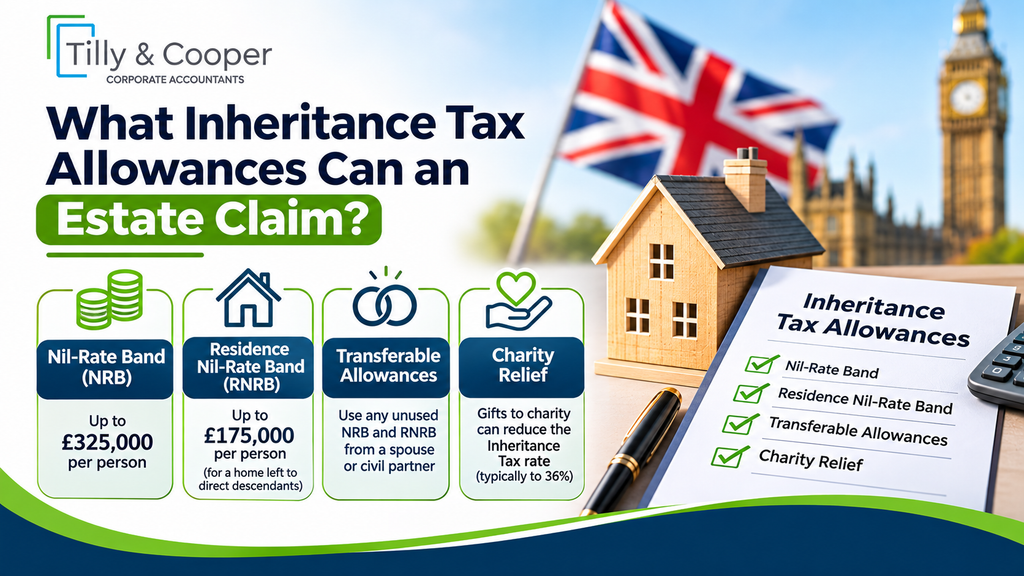
A UK estate has a £325,000 Inheritance Tax allowance. A qualifying home can add up to £175,000. Together, these allowances can shelter up to £500,000. A surviving spouse’s or civil partner’s estate may qualify for up to £1 million with transferred allowances.
| Allowance | Current maximum | Main condition |
| Nil-rate band | £325,000 | Earlier chargeable transfers can reduce availability. |
| Residence nil-rate band | £175,000 | A qualifying home must pass to direct descendants. |
| Transferred nil-rate band | Up to another £325,000 | Claim the unused percentage from a spouse or civil partner. |
| Transferred residence nil-rate band | Up to another £175,000 | Meet the transfer and qualifying-home conditions. |
The government has fixed these thresholds through 5 April 2031. Rising asset values can therefore bring more estates within scope. Check the rules applying on the relevant death or transfer date.
When Does the Residence Nil-Rate Band Apply?
A qualifying home must pass to direct descendants. These include children and grandchildren. The available allowance can depend on the qualifying property’s value. Special provisions can help after downsizing or selling a home.
How Does the £2 Million Taper Reduce the Allowance?
The residence allowance falls for estates above £2 million. It reduces by £1 for every £2 above that threshold. For this test, deduct allowable debts from the estate value. Apply the test before spouse exemptions, Business Relief and Agricultural Relief. The estate’s value after allowable debts is £2.2 million. The £200,000 excess reduces the residence allowance by £100,000. A £175,000 allowance would therefore fall to £75,000.
Can a Married Couple Pass On £1 Million Tax-Free?
Yes, where the estate meets all the relevant conditions. Two basic allowances can total £650,000. Two residence allowances can add £350,000. The survivor’s estate must qualify for the residence allowance. Earlier gifts, previous claims and tapering can reduce availability. The transfer concerns the unused percentage of the allowance. Retain the first spouse’s will and estate records. Personal representatives generally claim the basic transfer within two years. That period runs from the surviving spouse’s death.
Which Transfers Qualify for Exemption or Relief?
Transfers to a spouse or civil partner usually qualify for exemption. Different long-term residence positions can limit that exemption. Qualifying charitable gifts also receive exemption. Business and agricultural property may qualify for separate reliefs. From 6 April 2026, qualifying property has a combined relief allowance. This permits 100% relief on up to £2.5 million. Qualifying value above that generally receives 50% relief. Unused allowance can transfer between spouses or civil partners. Some assets qualify only for the 50% rate. Company ownership alone does not establish Business Relief eligibility. Check the business activity, ownership conditions, and property involved.
How Do Lifetime Gifts Affect Inheritance Tax?
Exempt gifts can leave the calculation immediately. Other outright gifts generally become exempt after seven years. Gifts into trusts can follow different rules. Keep dates, recipients, values and exemption evidence for each gift.
| Gift exemption | Amount or condition |
| Annual exemption | £3,000 across eligible gifts each tax year |
| Unused annual exemption | Carry forward for one tax year |
| Small gifts | £250 total per recipient each tax year, subject to conditions |
| Wedding gift to a child | Up to £5,000 |
| Wedding gift to a grandchild or great-grandchild | Up to £2,500 |
| Other qualifying wedding gifts | Up to £1,000 |
| Normal expenditure out of income | Meet the income, normal-expenditure and living-standard conditions. |
The £250 limit covers total gifts to that recipient that year. Avoid combining it with another exemption for the same recipient.
When Can Regular Gifts From Income Qualify?
Make gifts from income while retaining your usual living standard. The gifts must form part of your normal expenditure. Keep evidence of income, spending and the pattern of gifts. This exemption has no fixed monetary ceiling.
When Does Taper Relief Apply?
Taper relief can reduce tax on certain gifts after three years. It reduces the tax rather than the gift’s value. Earlier gifts can use the available nil-rate band first. Review gifts chronologically before calculating any taper relief.
Does Giving Away Your Home Remove It From Your Estate?
Keeping a benefit can leave the home within your estate. Giving it away while living rent-free can trigger this rule. HMRC calls this a gift with reservation of benefit. Paying market rent can affect the analysis. Check the full conditions before transferring your home.
What Changes for Pension Inheritance Tax From April 2027?
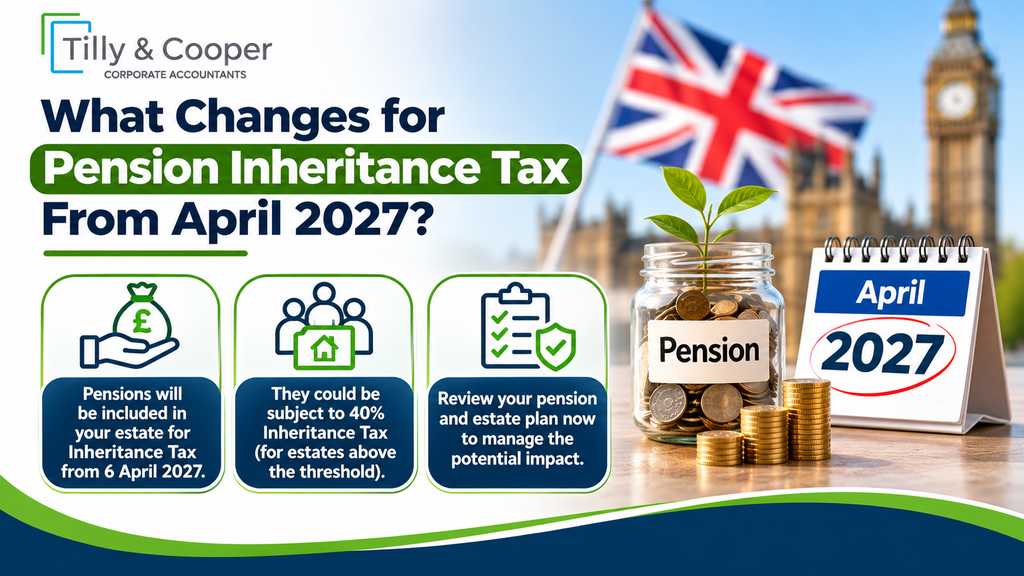
Most unused pension funds enter scope from 6 April 2027. The reform also covers most pension death benefits. It applies to deaths on or after that date. Finance Act 2026 legislates the core change. Specified exclusions remain for qualifying death-in-service benefits and dependants’ scheme pensions. Personal representatives will have pension reporting and payment responsibilities. Ask providers to identify each benefit and its applicable treatment.
Budget 2026 announced further pension administration changes. These include proposals affecting payments before representatives receive formal authority. Check current implementation guidance when handling a post-April 2027 death. Before April 2027, check the existing treatment under each scheme. Avoid assuming every pension already forms part of the estate. Pension inclusion can also affect the residence allowance taper. Review withdrawal decisions against their wider tax consequences.
How Much Inheritance Tax Could an Estate Pay?
The standard rate is 40% on the taxable amount. A reduced 36% rate can apply following qualifying charitable legacies. The test uses 10% of the relevant baseline amount. Apply that test to the relevant estate components.
How Do You Calculate the Taxable Amount?
- Value the estate and identify relevant lifetime gifts.
- Review allowable debts and liabilities.
- Apply exemptions and qualifying reliefs.
- Calculate the available nil-rate bands.
- Apply the appropriate rate to the remaining taxable amount.
How Much Tax Applies to a £1 Million Estate?
The answer depends on allowances, beneficiaries and earlier gifts. These hypothetical examples use net estates after allowable debts. They assume no earlier gifts or additional reliefs.
| Estate circumstances | Available allowance | Taxable amount | Tax at 40% |
| Basic nil-rate band only | £325,000 | £675,000 | £270,000 |
| Full basic and residence allowances | £500,000 | £500,000 | £200,000 |
| Survivor with full transferred allowances and qualifying home | £1,000,000 | £0 | £0 |
The home examples assume sufficient qualifying property and eligible descendants. Previous allowance use or different beneficiaries can change the outcome.
When Does an Estate Need Form IHT400?
Complete IHT400 when tax applies, or full reporting requirements apply. Some estates need the form despite owing no tax. Others qualify as excepted estates and follow simpler reporting requirements. Check the estate’s circumstances before choosing its reporting route. Trusts, foreign assets and substantial gifts can affect the decision. An excepted estate may still need a value for probate. Use HMRC’s guidance before assuming no reporting obligation exists.
How Do Executors Report and Pay Inheritance Tax?
Executors should establish the reporting route before preparing forms. Follow these steps when the estate requires full reporting.
- Identify assets and liabilities. Obtain date-of-death balances and appropriate valuations. Gather gift records, the will and relevant trust documents.
- Check allowances and reliefs. Identify spouse transfers, qualifying property and earlier gifts.
- Request the payment reference. HMRC advises allowing at least three weeks before payment.
- Prepare IHT400 and schedules. Include the assets, debts, gifts and applicable claims.
- Arrange payment. Review available cash, direct payments and instalment eligibility.
- Proceed with the estate application. Follow the probate or confirmation requirements for the jurisdiction.
- Retain records and address enquiries. Update HMRC when later information changes the account.
Which Payment Methods Can You Use?
Pay HMRC by bank transfer or another accepted method. Faster Payments, CHAPS and Bacs are available transfer options. Use the estate’s IHT payment reference. Allow enough time for HMRC to receive the payment. Eligible providers can pay directly from the deceased’s accounts. Ask the provider whether it participates in the Direct Payment Scheme. Send IHT423 to the provider for each relevant account. The scheme can operate before probate.
When Must the Estate Pay?
The usual deadline ends six months after the death month. A death on 12 January normally gives a 31 July deadline. Trust payments can follow different due dates.
HMRC’s public guidance instructs filing IHT400 within 12 months of death. Unusual representative appointments require a separate deadline check. HMRC’s manual provides an alternative based on when representatives first acted.
Must You Pay Before Probate?
You usually need to pay some IHT before probate. Check direct-payment options before arranging personal funding. Certain assets can qualify for payment by instalments.
What If the Estate Cannot Afford Immediate Payment?
Eligible tax can be spread across 10 annual instalments. Interest treatment depends on the asset and applicable rules. Selling the asset can accelerate the outstanding payment. If funds remain inaccessible, ask HMRC about postponing payment. Explain the funding problem before assuming a delay is acceptable.
What Interest Applies to Late Payment?
HMRC charges interest on overdue IHT. The annual rate is 7.75% on 19 November 2026. HMRC has announced 8% from 24 November 2026. Apply the rate covering each period of delay.
What Should Executors Check Before Submission?
- Reconcile asset values and allowable debts.
- Check gifts, trusts and pension benefits.
- Confirm transferred allowances and supporting evidence.
- Review the residence allowance taper calculation.
- Match the payment reference to the correct estate.
- Keep reporting and payment deadlines separate.
How Long Does the HMRC Process Take?
HMRC usually issues the relevant code within 20 working days. Count from receipt of IHT400 or payment, whichever comes later. The code allows the probate or confirmation application to progress. HMRC can still make further enquiries.
| Milestone | Published timing or requirement | Executor’s action |
| Payment reference | Allow at least three weeks before paying. | Request the reference early. |
| Initial tax payment | Normally due six months after the death month | Arrange funding before the deadline. |
| IHT400 reporting | Follow the applicable reporting deadline. | Complete the account and relevant schedules. |
| HMRC code | Usually 20 working days after receiving IHT400 or payment, whichever happens later | Check receipt dates and correspondence. |
| Further enquiries | Timing depends on the matters HMRC examines. | Retain valuations and respond promptly. |
Complex valuations, relief claims or missing information can require further work. Avoid treating the code timetable as final tax clearance.
How Can You Reduce Inheritance Tax Lawfully?
Use allowances, exemptions and reliefs that fit your circumstances. Review your will and intended beneficiaries. Keep accurate gift records and update plans after family changes. Check the effect of property, business interests and pension benefits.
Can a Trust Help With Inheritance Planning?
A trust can control how beneficiaries receive assets. Its tax treatment depends on its terms and retained rights. Some trusts face entry, periodic, and exit charges. Retaining a benefit can keep assets within your estate. Review legal and tax consequences before transferring property.
Can Life Insurance Help Fund the Bill?
Life insurance can provide funds following death. Appropriate trust arrangements can keep proceeds outside the insured’s estate. Ownership, beneficiaries and trust terms determine the result. Obtain useful advice before choosing or changing a policy.
Frequently Asked Questions
Record the recipient, date, value and exemption for each gift. Keep valuations and evidence of ownership transfers. For income gifts, retain income, spending and payment records. These documents help executors calculate the estate’s position.
Yes. ISA investments normally form part of the IHT estate. Their Income Tax and Capital Gains Tax advantages operate separately. Include the holdings when preparing the estate valuation.
Beneficiaries usually receive inherited cash after the estate handles IHT. Interest earned afterwards can attract Income Tax. Selling inherited assets can create Capital Gains Tax liabilities. Gift recipients and trust beneficiaries can face different obligations.
Discuss Your Inheritance Tax Position With Tilly & Cooper
Prepare an asset list, liabilities, and recent gift records. Include property ownership, pension details, and your current will. Explain whether your enquiry concerns planning or an existing estate.