
Sole Trader Bookkeeping Guide for UK Small Businesses
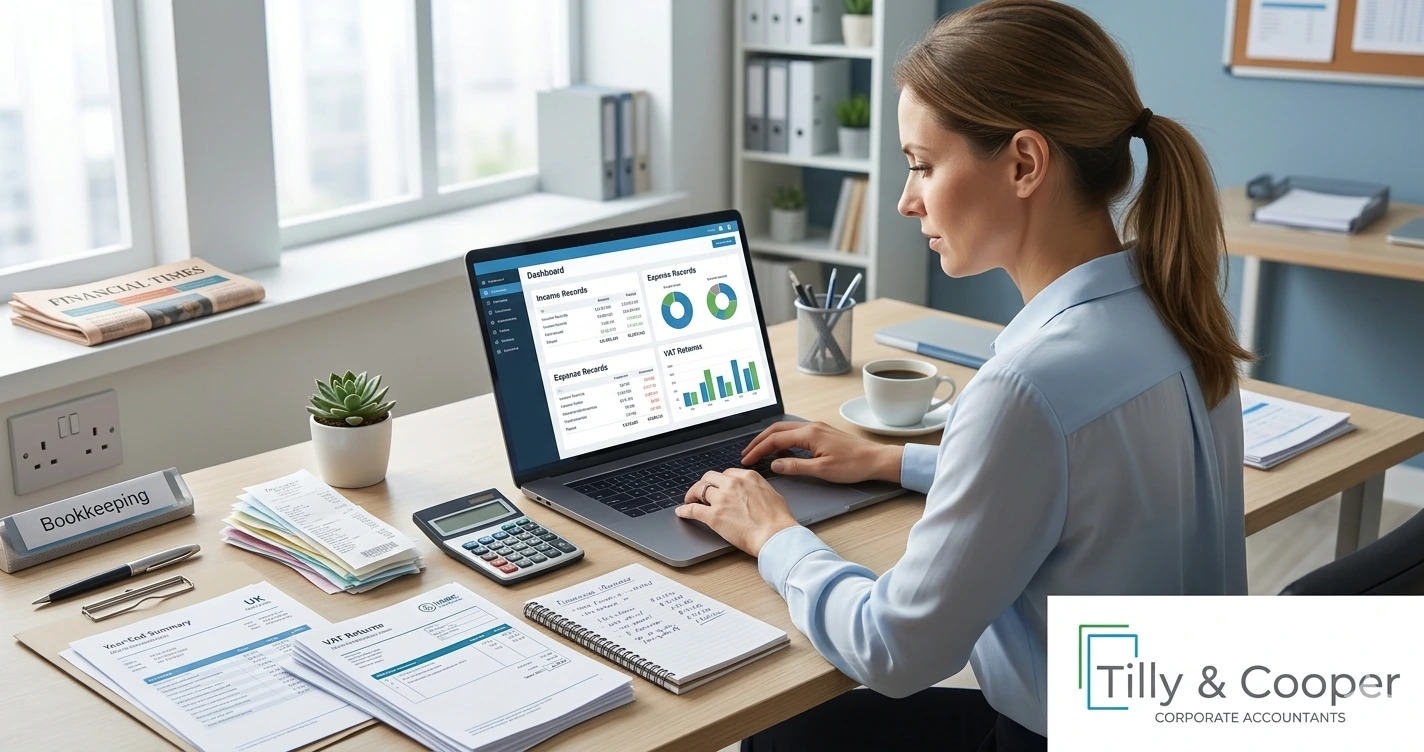
Starting a business alone gives flexibility and independence. Many entrepreneurs choose this route because the process of starting a sole trader business in the UK is simple and affordable.However, managing finances is one of the most important responsibilities of a business owner. This is where sole trader bookkeeping becomes essential.
Sole trader accounting helps track income, expenses, and profits. Accurate records support better decisions and help businesses stay compliant with HM Revenue & Customs (HMRC) regulations.Good bookkeeping for sole traders also makes tax filing easier and reduces the risk of mistakes during the Self Assessment tax return process.
Many small businesses face problems because owners neglect financial records. A reliable sole trader bookkeeping system helps monitor cash flow, track expenses, and understand business growth. In this guide, you will learn how accounting for sole traders works in the UK, including record keeping, taxes, and HMRC requirements.
What Is Sole Trader Bookkeeping?
Sole trader bookkeeping means recording every financial activity related to the business.
These records include:
- business income
- expenses and purchases
- invoices and receipts
- tax payments
- bank transactions
Maintaining accurate sole trader financial records helps calculate profit and prepare the Self Assessment tax return for sole traders.
Typical bookkeeping tasks include:
- tracking business income and expenses
- organising invoices and receipts
- Recording daily financial transactions
- preparing profit and loss reports
- maintaining accounting records for small businesses
A good sole trader bookkeeping system also helps monitor cash flow. When numbers are updated regularly, business owners gain a clearer view of financial performance.Many businesses now use digital accounting for sole traders through cloud software.
Popular tools include:
| Software | Best For |
| QuickBooks | small businesses |
| Xero | growing businesses |
| FreeAgent | freelancers and consultants |
| Sage | established businesses |
These platforms support Making Tax Digital (MTD) requirements and simplify HMRC self-assessment bookkeeping.
How to Set Up as a Sole Trader in the UK?
Understanding how to set up as a sole trader helps avoid legal and tax issues later. Many entrepreneurs choose this structure when starting a small business in the UK because registration stays simple.
Choose Your Business Name
1. First, choose a suitable business name.
2. A clear name builds credibility and helps customers remember your brand.
3. When selecting a business name in the UK, check that the name does not copy an existing business.
4. You should also check domain availability if you plan to create a website.
Example:
| Business Idea | Example Business Name |
| freelance designer | Creative Pixel Studio |
| marketing consultant | Growth Strategy Hub |
| online retailer | Smart Market Store |
Register With HMRC
The next step is to register as a sole trader in the UK. You must register as self-employed with HM Revenue & Customs (HMRC). Registration informs the UK Government that you operate a business. The process usually takes less than 30 minutes through the HMRC online portal. After registration, HMRC provides a Unique Taxpayer Reference (UTR). You need this number to submit your Self Assessment tax return.
Understand Your Tax Responsibilities
Every sole trader must understand their sole trader tax obligations.
Taxes may include:
- Income Tax
- National Insurance Contributions
- Value Added Tax (VAT) if applicable
Each year, you must file a Self Assessment tax return showing business profit. Profit equals business income minus allowable expenses. Good record-keeping for sole traders makes tax filing easier and reduces the risk of penalties.
Open a Business Bank Account
The law does not require a sole trader to open a business bank account. However, many accountants recommend it. Separating business transactions from personal spending simplifies sole trader bookkeeping.
Example:
| Personal Expenses | Business Expenses |
| groceries | office supplies |
| rent | equipment purchases |
| travel | marketing costs |
A dedicated account improves sole trader financial management and helps maintain accurate records.
How Sole Traders Pay Tax in the UK?
Understanding taxes helps avoid compliance problems. Taxes depend on the business profit you earn.
Income Tax for Sole Traders
Sole traders pay Income Tax on their business profit.
Profit calculation example:
| Description | Amount |
| business income | £40,000 |
| business expenses | £10,000 |
| profit | £30,000 |
Income Tax applies to the profit amount. This calculation forms the basis of sole trader accounting.
National Insurance Contributions
Sole traders also pay National Insurance Contributions (NICs).
Two types normally apply:
| Contribution | Description |
| Class 2 National Insurance | fixed weekly amount |
| Class 4 National Insurance | percentage of profit |
Accurate HMRC sole trader bookkeeping helps ensure these contributions are calculated correctly.
Key Bookkeeping Tasks for Sole Traders
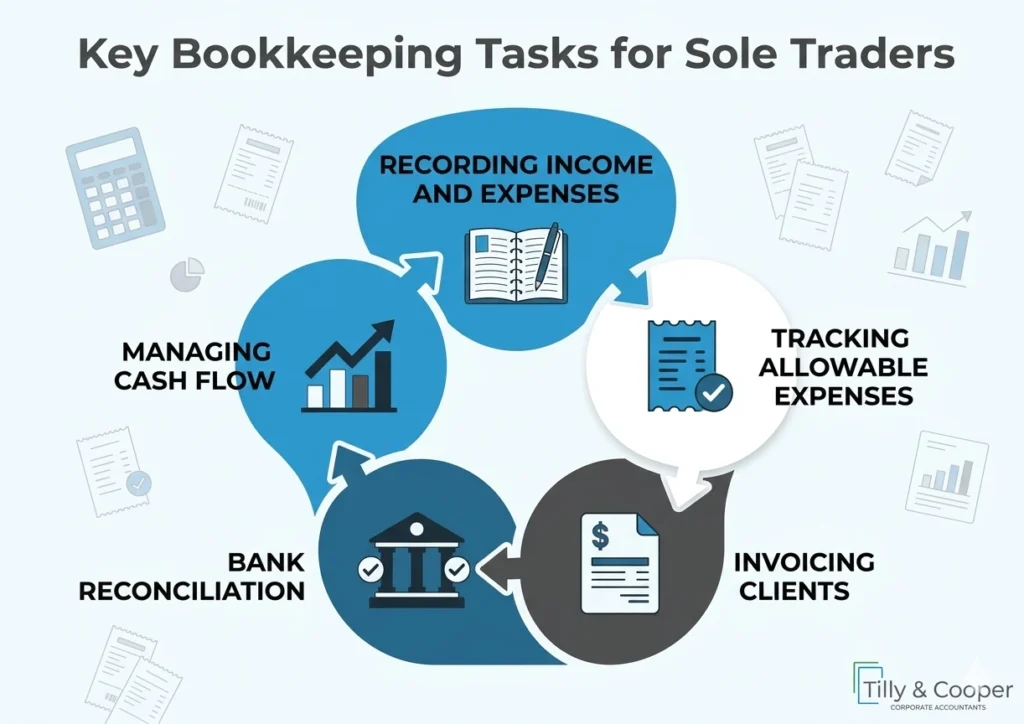
Strong bookkeeping for sole traders requires regular financial tracking. Below are the main bookkeeping activities.
Recording Income and Expenses
Tracking sole trader income and expenses forms the foundation of good bookkeeping. Record every sale, purchase, and payment.
Example expense categories:
| Expense Type | Example |
| marketing | online advertising |
| equipment | laptop purchase |
| travel | client meetings |
| software | accounting tools |
Tracking expenses supports better sole trader financial management.
Managing Cash Flow
Cash flow shows how money moves in and out of a business. Healthy cash flow helps businesses operate smoothly. Many new businesses struggle because they ignore this area. Regular monitoring helps avoid financial problems.
Invoicing Clients
Invoices help record sales and collect payments.A professional invoice normally includes:
- business name
- invoice number
- service details
- payment terms
Digital accounting software often generates invoices automatically.
Bank Reconciliation
Bank reconciliation compares bookkeeping records with bank transactions.
Example:
| Bookkeeping Record | Bank Statement |
| £500 payment | £500 deposit |
| £80 expense | £80 bank charge |
This process confirms that sole trader financial records remain accurate.
Tracking Allowable Expenses
Sole traders can claim allowable business expenses to reduce taxable profit.
Common examples include:
- office costs
- travel expenses
- equipment purchases
- marketing costs
Tracking expenses supports tax compliance for small businesses.
VAT Rules for Sole Traders
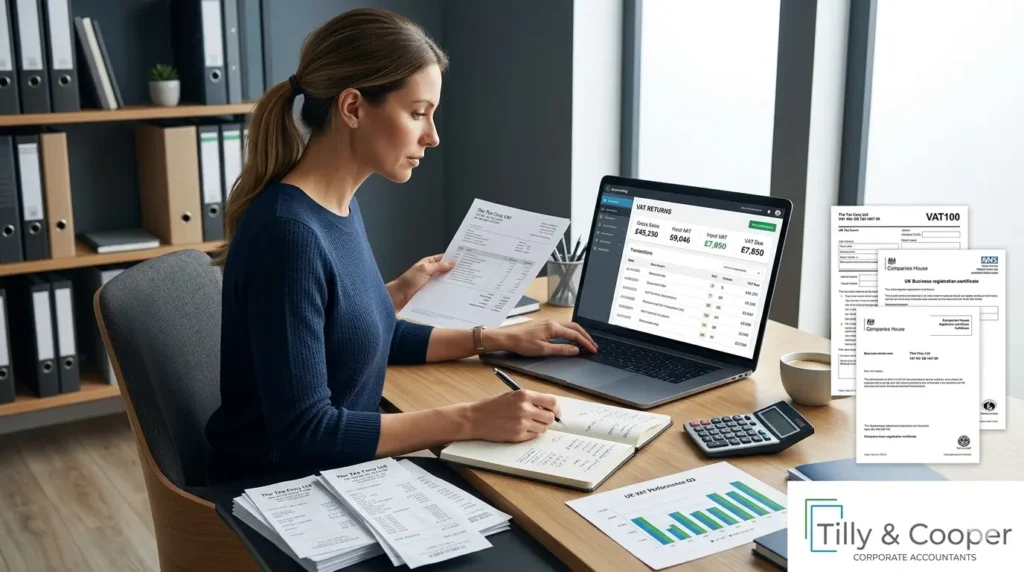
Many businesses eventually face Value Added Tax (VAT) obligations.Understanding VAT rules supports proper sole trader accounting.
When to Register for VAT
You must register for VAT when business turnover exceeds the VAT registration threshold.
Once registered, you must:
- charge VAT on sales
- submit VAT returns
- maintain VAT records
VAT Schemes for Sole Traders
HMRC offers several VAT schemes.One commonly used option is the VAT Flat Rate Scheme.This scheme simplifies VAT calculations for small businesses.
Making Tax Digital for Sole Traders
The UK Government introduced Making Tax Digital (MTD) to modernize tax reporting.Businesses must maintain digital tax records and submit returns electronically.Many accounting platforms now support MTD requirements.
Benefits include:
- faster reporting
- fewer errors
- better financial visibility
Digital accounting will become standard practice for most UK businesses.
Common Bookkeeping Mistakes Sole Traders Make
Many new business owners make avoidable bookkeeping mistakes.
Common examples include:
- mixing personal and business finances
- failing to track expenses
- missing HMRC deadlines
- losing receipts or invoices
- inaccurate tax calculations
Avoiding these mistakes improves sole trader financial records and reduces compliance risk.
Do Sole Traders Need to Prepare Accounts?
Yes. Every business must maintain financial records and prepare basic reports.
Typical reports include:
| Financial Report | Purpose |
| profit and loss statement | shows business profit |
| balance sheet | shows financial position |
| cash flow report | shows money movement |
These reports support accounting for sole traders and improve business decisions.
How Professional Accountants Can Help Sole Traders?
Managing bookkeeping while running a business can be difficult.Professional accountants help with:
- preparing the Self Assessment tax return
- maintaining sole trader financial records
- managing VAT registration and returns
- improving financial reporting
- providing tax advice
Experienced accountants also recommend the best bookkeeping systems for sole traders.
Sole Trader Bookkeeping Services in the UK
Sole traders across the UK often need professional help with bookkeeping and tax compliance. Accounting firms such as Tilly & Cooper support freelancers, consultants, and small businesses with reliable bookkeeping services, Self Assessment tax returns, and HMRC compliance.Working with experienced accountants helps business owners focus on growth while maintaining accurate financial records.
Need Help With Sole Trader Bookkeeping?
Managing finances while running a business can feel overwhelming.The team at Tilly & Cooper supports sole traders across the UK with:
- bookkeeping services
- Self Assessment tax returns
- VAT registration
- financial record management
Our accountants help business owners maintain accurate records and stay compliant with HMRC rules.If you need support with sole trader bookkeeping, speak with our team today.
Conclusion
Sole trader bookkeeping forms the foundation of every successful business.Accurate sole trader accounting helps track income, manage expenses, and meet tax obligations. Maintaining proper financial records also supports better decisions and long-term business stability.
Using digital tools and following good bookkeeping practices helps simplify financial management. When business owners understand how bookkeeping for sole traders works, they gain better control over their finances and business growth.
FAQ’s
Do sole traders need bookkeeping?
Yes. Every sole trader must keep financial records of income and expenses. Proper bookkeeping helps calculate profit and prepare the Self Assessment tax return required by HM Revenue & Customs (HMRC).
What records must a sole trader keep?
Sole traders should keep records of:
- sales invoices
- purchase receipts
- bank statements
- expense records
- tax filings
HMRC usually requires businesses to keep these records for at least five years.
Can a sole trader do their own bookkeeping?
Yes. Many sole traders manage bookkeeping themselves using accounting software like QuickBooks, Xero, or FreeAgent. However, many businesses choose professional accountants to avoid tax mistakes and save time.
Do sole traders need accounting software?
Accounting software is not mandatory. However, digital tools help track income, manage expenses, and comply with Making Tax Digital (MTD) requirements.
When should a sole trader hire an accountant?
Many sole traders seek professional help when:
- business income increases
- VAT registration becomes necessary
- tax planning becomes complex
- bookkeeping becomes time-consuming
Professional accountants help maintain accurate financial records and reduce tax risks.
